Category: Map Pack Visibility

  • The Map Embedding Mistake That Actually Hurts Your Search Presence

    The Map Embedding Mistake That Actually Hurts Your Search Presence


    The Map Embedding Mistake That Actually Hurts Your Search Presence


    The Map Embedding Mistake That Actually Hurts Your Search Presence: A Deep Dive into Google Business Profile SEO

    For years, the “best practice” for local businesses was simple: verify your listing, get a few reviews, and embed a Google Map on your contact page. The logic was that a map embed signaled to Google that you were a real business at a real location. But as we move into 2026, the landscape of google business profile seo has shifted from simple signals to complex entity validation. Most businesses are still using the same embedding methods they used in 2015, and frankly, it’s hurting their rankings.

    As Kevin Pauls, a Local SEO Consultant and Google Business Profile Product Expert, I have seen thousands of dashboards where the “Map Pack” visibility is stagnant despite “doing everything right.” The problem often lies in the infrastructure of the website itself. As Rashid Rehman famously noted, “Local SEO isn’t marketing; it’s infrastructure.” If your map embed is a generic address pin rather than a validated entity link, you aren’t building infrastructure; you’re just adding digital clutter.

    A recent SearchPilot case study underscored this reality. When certain local pages removed their map components, they saw a statistically significant drop in organic traffic. This proves that Google values the map – but only if that map provides the correct context. In 2026, the wrong map embed doesn’t just fail to help; it dilutes your local relevance and slows down your site, creating a double-whammy of SEO failure.

    Section 1: The Map Embed Myth and Why “Generic” is Failing

    The common knowledge suggests that any map from Google is a “good” map. This is the first myth we need to debunk. When you go to Google Maps, type in your address, and click “Embed a map,” you are often generating a frame that points to a set of geographic coordinates (latitude and longitude). While this helps a human find your front door, it does very little for google business profile seo.

    Google’s algorithm has evolved to prioritize entities over addresses. An address is just a spot on a grid. An entity is a business with reviews, a category, a history, and a relationship with its users. When you embed a generic address map, you are failing to bridge the gap between your website’s authority and your Google Business Profile’s reputation. To truly rank higher on google maps, your website must explicitly tell Google: “This page belongs to this specific business entity,” not just “This page is about a building at 123 Main Street.”

    Section 2: Generic Address vs. GBP Entity: The Core of Google Business Profile SEO

    The technical “Mistake” that most developers make is ignoring the CID (Cluster ID). Every Google Business Profile has a unique identification number known as the CID. This ID is what Google uses to group all data points related to your business – your reviews, your photos, your location history, and your search relevance – into a single entity container.

    When you perform google business profile optimization, your goal is to reinforce this CID at every turn. If you embed a map using the “Share” link from a generic search for your address, the iFrame code often lacks the CID parameter. Instead, it uses a q=address string. This tells Google’s crawlers that the map is just a visual aid.

    However, when you embed a map using the CID-linked “Share” function from within your GBP dashboard or by using a google business profile seo tool to extract the direct entity link, the iFrame contains the ludocid parameter. This parameter is the “secret sauce.” It creates a hard link between your website’s domain authority and your GBP’s local authority. Without this link, you are missing out on one of the most potent local ranking signals available today.

    If you aren’t sure if your map is an entity embed or an address embed, you need a professional google maps optimization service to audit your technical implementation. Using the wrong link is like having a telephone line that isn’t plugged into the wall; it looks right, but no data is moving through it.

    The Difference in the Code

    • Generic Embed: <iframe src="...q=123+Main+St+New+York..."> (Weak Signal)
    • Entity Embed: <iframe src="...pb=!1m18!1m12!1m3!1d...2s[CID_HERE]..."> (Strong Signal)

    Section 3: Core Web Vitals and Google Business Profile SEO: The Performance Cost of Lazy Maps

    In 2026, user experience (UX) is no longer a “soft” ranking factor; it is a hard requirement. Google’s Core Web Vitals – specifically Interaction to Next Paint (INP) and Largest Contentful Paint (LCP) – are heavily influenced by how you load third-party scripts. Map iFrames are notoriously heavy. A standard Google Map embed can add 300kb to 500kb of JavaScript and CSS to a page load.

    Many businesses suffer from “Lazy Embeds.” They drop the iFrame code at the top of their “Contact Us” or “Location” pages, causing the browser to pause the rendering of the page to fetch Google’s map data. This kills your “Time to Interactive” (TTI). On mobile devices, which account for over 70% of local searches, a slow-loading map can lead to high bounce rates.

    To optimize your google business profile seo, you must implement lazy-loading for your maps. This ensures the map only loads when the user scrolls down to it. Furthermore, consider using a static map image that links to the live map. This provides the visual benefit of a map without the performance penalty of a live iFrame. Using high-quality local seo tools can help you measure the exact impact your map embed has on your site speed and mobile rankings.

    For more on how technical performance impacts your visibility, read our guide on Why Your Google My Business Rank Tanked After the Latest Proximity Update.

    Section 4: The 2026 Proximity Update & Spatial Search

    The “Proximity Update of 2026” has fundamentally changed how Google interprets the distance between a searcher and a business. We have moved beyond simple “as the crow flies” distance. Google now uses “Spatial Search” and “AR-View Proximity Tests” to determine if a business is truly relevant to a user’s current intent.

    The “Proximity Paradox” is a phenomenon where businesses located closer to the searcher are sometimes outranked by businesses further away. This happens because the further business has stronger “Entity-Validated Signals.” A CID-linked map embed is one of these signals. It tells Google that your business isn’t just “near” the user; it is a prominent landmark in that specific spatial area.

    Furthermore, 2026 rankings rely heavily on “Verified Visit Search.” Google’s algorithm now looks at real-world foot traffic data (anonymized from mobile devices) to verify that people who see your map on your website actually visit your store. If your map embed is broken or generic, it fails to facilitate the “Get Directions” click that Google uses as a conversion signal.

    To understand how to navigate these changes, check out our deep dive into 5 Spatial Search Tweaks for Local Map Domination [2026 Data] and The Proximity Paradox: Why Moving Your Store Location Won’t Always Help You Dominate Maps.

    Section 5: The Step-by-Step Guide to Google Business Profile SEO Map Embedding

    If you want to stop making the “Mistake” and start dominating the Map Pack, follow this technical protocol for your google business profile optimization.

    Step 1: Find Your CID

    You cannot rely on the standard “Share” button on public Google Maps, as it often defaults to the address. Instead, use a tool like the SEO Viper CID Finder or use the “View Source” method on your GBP page to find the ludocid. This is the unique identifier for your business entity.

    Step 2: Generate the Entity-Based Embed

    Once you have your CID, use the official Google Maps API or the “Embed” function while logged into your Google Business Profile manager account. Ensure the resulting code includes your business name prominently in the title attribute of the iFrame.

    Step 3: Surround with NAP Schema

    An embed in a vacuum is weak. To maximize your google maps ranking tips, place your Name, Address, and Phone number (NAP) in <address> tags directly adjacent to the map. Wrap this entire section in LocalBusiness Schema.org markup. This creates a “Triple-Threat” signal: the Map (Visual/Entity), the NAP (Textual), and the Schema (Machine-Readable).

    Step 4: Implement Lazy Loading

    Add the loading="lazy" attribute to your iFrame. This ensures that your Core Web Vitals remain healthy, preventing the map from slowing down your mobile ranking potential.

    If this sounds too technical, you may want to consider a professional google maps ranking service to handle the implementation for you. Proper execution is the difference between page one and page ten.

    Section 6: Beyond the Embed: Signals That Actually Move the Needle

    While the map embed is a critical structural element, it is not a silver bullet. To rank google business profile listings effectively in 2026, you need a holistic approach. This includes:

    • Review Velocity: Not just how many reviews you have, but how frequently you get them.
    • Offline Intent Data: Signals that show users are searching for your brand name specifically before visiting.
    • Geotagged Content: Images and blog posts that mention local landmarks and neighborhoods.

    Don’t waste your resources on outdated tactics. As we discuss in Stop Wasting Cash on Low-Quality Citations That Never Show Up in Maps, Google has become much better at filtering out “noise.” High-quality, entity-linked signals are the only way forward. You should regularly audit these signals using advanced local seo ranking tools to ensure your infrastructure remains solid.

    For more insights on trust signals, read The 4 Missing Trust Signals Keeping Your Business Out of the Top 3.

    Section 7: Conclusion, Stop Guessing and Start Dominating

    The “Mistake” of using generic map embeds is a symptom of a larger problem: treating Local SEO as a checklist rather than a technical discipline. In 2026, Google doesn’t just want to know where you are; it wants to know who you are as a digital entity. By switching from address-based embeds to CID-linked entity embeds, you provide the clarity Google needs to rank you in the Map Pack.

    If you want to truly improve google maps rankings, you need to stop guessing. Perform a comprehensive google business profile audit today. Use the data-driven local seo tools available at SEO Viper to see exactly where your entity validation is failing. The Map Pack is more competitive than ever – ensure your infrastructure is built to win.

    Ready to take the next step? Learn how to rank higher on google maps by optimizing your entity signals today.


  • Stop Wasting Cash on Low-Quality Citations That Never Show Up in Maps

    Stop Wasting Cash on Low-Quality Citations That Never Show Up in Maps


    Stop Wasting Cash on Low-Quality Citations That Never Show Up in Maps

    Stop Wasting Cash on Low-Quality Citations That Never Show Up in Maps

    If you have spent any time in the world of google business profile seo, you have seen the ads. “500 High-DA Citations for $49!” or “Dominate the Map Pack with 1,000 Local Directory Submissions!” It sounds like a bargain. It sounds like the silver bullet your business needs to finally rank higher on google maps. But here is the cold, hard truth that most “SEO gurus” won’t tell you: most of those citations are absolute junk. They are digital pollution.

    I’m Shahid Anwar, and I’ve spent years deconstructing why some businesses dominate the local map pack while others – who arguably work harder and spend more – remain invisible. The reality of local seo services has shifted. We are no longer in the era of “more is better.” We are in the era of “trust or bust.” If you are buying bulk citation packages from overseas click-farms, you aren’t just wasting money; you are likely damaging your profile’s authority. Visibility is useless if it doesn’t lead to phone calls, and Google is now smart enough to ignore the noise you’re paying for.

    With 76% of local searches now happening on mobile devices, the stakes have never been higher. If you aren’t in that top three “Map Pack” when a customer searches on their phone, you effectively do not exist. To get there, you need a strategy built on data, not outdated myths. You need to understand that local citations seo is only one piece of a much larger, more sophisticated puzzle.

    The 2026 Citation Reality Check: Why Quantity is a Dead Metric

    For a long time, the SEO industry treated citations like a popularity contest. The logic was simple: if 200 websites mention your business, you must be more important than the guy with only 20 mentions. In 2026, that logic is officially dead. Google’s algorithm has evolved to prioritize quality and “Prominence” above all else.

    To understand why your gmb ranking service might be failing you, you have to look at how Google actually calculates rankings. The algorithm is roughly divided into three pillars:

    • Proximity (~15%): How close is the searcher to your business?
    • Relevance (~25%): Does your business actually offer what they are looking for?
    • Prominence (~60%): How well-known and trusted is your business in the digital and physical world?

    Notice that Prominence carries the most weight. When you buy 500 low-quality citations, you aren’t building prominence; you are creating “data noise.” Most of these low-tier directories have a 0% indexing rate. This means Google’s crawlers never even see them. If Google doesn’t index a citation, it doesn’t count toward your prominence. You are essentially paying for invisible links on graveyard websites. This is exactly why Why Perfect Citations Won’t Save Your Google My Business Rank Anymore – because if those citations lack authority and indexing, they are weightless.

    The High Cost of “Cheap” Citations

    The danger of citation building services that prioritize volume over quality isn’t just the wasted $50. It’s the long-term “data pollution” they create. When you use a low-grade google maps ranking service like SEO Viper Tools to audit your presence, you often find a nightmare of NAP (Name, Address, Phone) inconsistency.

    NAP consistency is the bedrock of local trust. If Directory A says you are at “123 Main St,” Directory B says “123 Main Street, Suite 4,” and Directory C has an old phone number from three years ago, Google gets confused. When Google gets confused, it loses confidence. When it loses confidence, your rankings tank. Cheap services often use automated bots that scrape old data, creating a web of conflicting information that can take months to clean up. This is the primary reason behind the common frustration: “why is my google business profile not ranking?”

    Furthermore, these “cheap” links often come from link farms that Google has already flagged. By associating your Google Business Profile with these neighborhoods, you are essentially telling the algorithm that you are a low-tier player. High-quality google business profile optimization requires manual outreach to directories that actually have traffic and human users. If a human wouldn’t use the directory to find a business, Google won’t use it to rank one.

    The 10-Minute Citation Audit: How to Spot the Rot

    Before you spend another dime on local seo tools, you need to perform a “health check” on your current standing. You don’t need a massive agency to tell you if your foundation is cracked. You can do a preliminary check yourself to improve google maps ranking almost immediately by identifying the “rot.”

    Follow these steps for a quick audit:

    1. Search Your Phone Number: Type your business phone number into Google. See what comes up. Are there old addresses? Different business names? This is the fastest way to spot NAP inconsistency.
    2. Check the “Big Three”: Verify your data on the major aggregators (Data Axle, Neustar Localeze, and Foursquare). These feed hundreds of smaller sites. If the source is wrong, the stream is poisoned.
    3. Identify Unindexed Profiles: Take 10 of your citation URLs and paste them into Google search. If the specific URL doesn’t show up in the search results, it’s not indexed. If it’s not indexed, it’s providing zero “link juice” to your profile.

    If you find that 80% of your citations are unindexed or incorrect, you’ve found your problem. This is exactly what we cover in The 10-Minute Local SEO Audit That Uncovers Why Your Rankings Stalled. Fixing these errors is often more effective than building 100 new links.

    Beyond Citations: The “Prominence” Playbook for 2026

    If citations are only a small part of the 60% Prominence factor, what makes up the rest? To truly rank in google map pack, you need to look at behavioral signals and local authority. Google is moving away from what you *say* about yourself (citations) and toward what the *market says* about you.

    To dominate, you need to focus on these three areas:

    • Review Velocity and Sentiment: It’s not just about having a 5-star rating. Google looks at “velocity” – how often are you getting new reviews? A business that gets 5 reviews a week is more “prominent” than one that got 50 reviews three years ago and nothing since.
    • Behavioral Signals: This is where modern local seo software like local seo tools becomes essential. Google tracks how many people click “Request Directions,” how many people call you directly from the map, and how long they stay on your profile. These are the ultimate “trust” signals.
    • Local Backlinks: A link from the local Little League team’s website or a neighborhood blog is worth 1,000 “general” directory citations. Why? Because it proves you are physically and socially relevant to that specific geographic area.

    This is the secret to google map pack seo. It’s about being a pillar of your community, both online and offline. When you combine this with Mastering Local Maps Domination: Proven Strategies for 2025 Success, you create an untouchable competitive advantage.

    Industry-Specific Strategy: From Contractors to Med Spas

    One of the biggest mistakes in local seo services is the “one size fits all” approach. A plumber in Chicago needs a completely different citation and link profile than a med spa in Miami. The google map pack ranking factors actually shift slightly based on the industry category.

    For example, local seo for contractors relies heavily on “niche” directories like Angie’s List, Houzz, and specialized trade associations. Google looks for these industry-specific signals to verify that you are a legitimate service provider. Conversely, local seo for lawyers requires high-authority legal directories like Avvo or Justia. If you are a lawyer and 90% of your citations are on “General Business Directory #402,” you aren’t building relevance. You are just taking up space.

    You also have to consider the “Proximity Paradox.” Many business owners think moving their office closer to the city center will solve everything, but as we discuss in The Proximity Paradox: Why Moving Your Store Location Won’t Always Help You Dominate Maps, relevance and prominence can often override physical distance if your digital footprint is strong enough. If you want to know how to outsmart competition in local map listings in 2025, you have to start thinking about “Niche Relevance.”

    Conclusion: Quality Over Everything

    The era of gaming the system with 500 junk citations is over. If you want to rank higher on google maps and stay there, you must stop chasing “quantity” metrics that provide no real value. A handful of high-quality, indexed, and niche-relevant citations will beat 1,000 junk links every single time.

    Your goal shouldn’t just be to “show up” on a map. Your goal should be to build such a high level of digital prominence that Google has no choice but to put you at the top. This starts with a clean foundation: consistent NAP data, a focus on indexed citations, and a relentless commitment to generating real customer engagement. Most businesses see initial movement in 30-60 days, with significant, life-changing results appearing at the 90-120 day mark.

    Stop burning your budget on services that don’t move the needle. Use a professional google business profile audit tool like the one found at SEO Viper Tools to see where you actually stand today. It’s time to stop guessing and start dominating. Audit your profile, clean up your data, and claim your spot in the Top 3.


  • High Impressions But Zero Calls? How to Fix Your Broken Local CTR

    High Impressions But Zero Calls? How to Fix Your Broken Local CTR

    High Impressions But Zero Calls? How to Fix Your Broken Local CTR

    You open your Google Business Profile (GBP) dashboard and see a number that makes you smile: 15,000 impressions this month. You’re ranking in the top 3 for your primary keywords. By all traditional metrics, you are winning the SEO game. But then you look at your call log. It’s silent. Your website clicks? Non-existent. You are suffering from the “Ghost Profile” phenomenon – you are visible, but you are effectively invisible to the people who matter.

    As a local SEO consultant, I see this every day. Business owners obsess over google business profile ranking as if the rank itself is the finish line. It isn’t. Visibility is a vanity metric; calls are a sanity metric. If your Local Click-Through Rate (CTR) is broken, your high rankings are nothing more than a billboard in the middle of a desert. In this deep dive, I’m going to show you why your “perfect” rankings are failing you and provide the technical roadmap to fix your CTR for the 2026 search landscape.

    The Diagnosis: Why Your Impressions Aren’t Converting

    The gap between “appearing” and “appealing” is where most local businesses lose their ROI. If you have high impressions but low engagement, your profile is likely suffering from one of three structural failures. First, you might be ranking for Low-Intent Views. If your google business profile seo strategy is too broad, you might be appearing for “DIY plumbing tips” when you actually need “emergency water heater repair.” High volume, low intent. You’re attracting researchers, not buyers.

    Second, you may be dealing with Weak Decision Signals. When a user looks at the Map Pack, they make a split-second decision based on trust factors. If your profile lacks these triggers, the user’s eye will skip right over you to the competitor with more “pop.” This is a classic case of ranking without a reason to click.

    Finally, there is the “Suspension Hangover.” Based on my research into algorithmic recovery, profiles that have previously faced suspensions often suffer from a “ghost filter” even after reinstatement. Google’s trust in your entity is fractured. You appear in the results, but your reach is throttled, or your “Call” button is suppressed in certain mobile views. If you’ve recently recovered a profile and seen a dip in conversion, this is likely why. To understand more about these sudden shifts, read Why Your Google Maps Clicks are Dropping and the 3-Minute Fix to Reverse It.

    The “Decision Signal” Framework: Turning Scrollers into Callers

    To fix a broken CTR, we must optimize for the human brain, not just the Google bot. We call this the Decision Signal Framework. It’s about creating “Conversion Friction” – but the good kind, where the user feels compelled to stop and engage. This starts with google business profile optimization that prioritizes social proof and visual trust.

    Review Velocity vs. Quality: Most owners think having 500 reviews is enough. It’s not. If your last review was six months ago, you are “dead” in the eyes of a modern consumer. Review velocity – the frequency of new reviews – is a massive CTR driver. A business with 50 reviews, five of which were posted this week, will often out-convert a business with 500 reviews where the most recent is from 2023. You need a constant stream of fresh, keyword-rich testimonials to rank higher on google maps effectively.

    Visual Trust and Real Services: Stop using stock photos. The 2026 consumer can spot a stock photo of a “happy technician” from a mile away. Research shows that profiles featuring real, high-resolution photos of the team, the office, and “Before and After” work see a 35% higher CTR. Furthermore, utilizing the “Real Services and Descriptions” section is non-negotiable. Don’t just list “Plumbing”; list “Tankless Water Heater Installation in [City Name].” This specificity captures high-intent clicks that a broad category misses. If you need professional help auditing these signals, using a google business profile optimization tool can reveal exactly where your visual data is lacking.

    The Power of the Offer: One of the most underutilized tools in the GBP arsenal is the “Offer” post. By posting an offer with a clear expiration date directly on your profile, you create immediate urgency. This “Micro-Ad” appears directly in the search results, giving the user a financial incentive to choose you over the competitor ranking right next to you.

    Advanced Content Strategy: Beyond the Basic Setup

    If you want to rank google business profile assets that actually generate revenue, you have to treat your GBP like a social media feed, not a static directory listing. Recent Reddit-based SEO research suggests that the most successful profiles are those that provide “Activity Signals” every 24 to 48 hours. This doesn’t mean you need to write a novel; it means you need to show Google – and users – that you are open and active.

    • GBP Posts as Micro-Ads: Use your posts to answer Frequently Asked Questions (FAQs). If someone is searching for “best local seo agency,” and your post pops up explaining your specific pricing or process, you’ve removed a barrier to the click.
    • Secondary Categories: A common mistake is being too broad with categories. Instagram research data indicates that businesses using hyper-specific secondary categories (e.g., “Commercial Real Estate Attorney” instead of just “Attorney”) see significantly higher engagement rates. Broad categories inflate impressions but deflate calls because you’re being shown to the wrong audience.
    • The Q&A Section: Don’t wait for customers to ask questions. Seed your own Q&A section with the top 5 questions your sales team gets on the phone. This is a powerful way to increase google business profile visibility while simultaneously pre-qualifying your leads.

    Struggling to see how these moves fit together? Check out 5 Specific Moves to Force a Map Pack Domination Without New Reviews for a tactical breakdown of non-review-based ranking factors. This is how you win when your competitors have a decade-long head start on review collection.

    2026 Local SEO: Navigating AI Filters and Spatial Search

    The landscape of local seo services is shifting toward what we call “Spatial Search” and “AI-Driven Filtering.” Google is no longer just looking at your NAP (Name, Address, Phone Number); it is looking at real-world behavior to determine your rank and relevance. This is the future of google maps seo.

    Verified Visit Search: Google now uses anonymized phone location data to verify that people actually visit your physical location. If you have 20,000 impressions but zero “store visits” (as tracked by Google’s “Popular Times” data), the algorithm begins to suspect you are a “Ghost Kitchen” or a fake lead-gen site. This can lead to a “Proximity Paradox” where you rank well in your immediate building but disappear three blocks away. To combat this, you need a google maps ranking service that understands how to build real-world signals through local check-ins and geo-tagged content.

    AI Filters and AR-View: With the rise of Augmented Reality (AR) in mobile search, your profile must be optimized for “visual search.” This means your photos need to be high-quality enough for Google’s AI to identify objects within them (like your signage or branded vehicles). This “Spatial Search” capability allows Google to recommend your business because it literally “sees” your presence in the local environment. If you aren’t using advanced local seo software to track these spatial metrics, you are flying blind into 2026.

    Privacy-First SEO: As privacy regulations tighten, the “radius” of local search is shrinking. You can no longer expect to rank across an entire metropolitan area from a single office. You must dominate your immediate “micro-neighborhood” first. This requires a hyper-local content strategy that mentions specific landmarks, street names, and local events to anchor your entity to a specific coordinate.

    Industry-Specific CTR Fixes (Plumbers, Lawyers, Dentists)

    Every niche has a different “Conversion Friction” point. To truly improve google maps ranking and call volume, you must tailor your profile to your specific industry’s psychological triggers.

    • Contractors & Plumbers: Your “Decision Signal” is proof of work. Focus heavily on “Before/After” photos and “Emergency Service” tags. Use your GBP posts to highlight your response time. If you can prove you’ll be there in 60 minutes, you’ll win the click every time.
    • Lawyers & Professional Services: Your signal is authority and professionalism. Your profile should feature professional headshots, mentions of specific case wins (where legal), and a very active Q&A section. People don’t want a “cheap” lawyer; they want a “local authority.” For more on this, see The Ultimate Guide to Google My Business Rank Elevation.
    • Medical & Dental: The barrier here is “Ease of Booking.” If your “Request a Quote” or “Book Appointment” button isn’t active, you are losing 40% of your potential leads. Medical patients want the path of least resistance. Ensure your insurance information is clearly listed in your attributes.

    Regardless of your industry, if you feel your rankings have hit a plateau, it might be time for a deep dive. Read The 10-Minute Local SEO Audit That Uncovers Why Your Rankings Stalled to find the technical bottlenecks holding you back.

    Conclusion: Your 10-Minute CTR Audit

    The era of “ranking for the sake of ranking” is over. In 2026, the only metric that matters is how many of those impressions turn into revenue. If you are stuck in the “Ghost Profile” trap, you must pivot your strategy from broad visibility to high-intent conversion. Stop obsessing over the Map Pack position and start obsessing over why a user would – or wouldn’t – click your “Call” button.

    Your 10-minute audit starts now:

    1. Check your review recency. Is your last review older than 14 days?
    2. Look at your photos. Are they real or stock?
    3. Audit your categories. Are they too broad?
    4. Check your “Offers.” Do you have an active incentive for new callers?

    If you’re ready to stop guessing and start dominating, you need a professional google maps ranking service that looks beyond the dashboard. Don’t let your competitors steal the leads you’ve already earned by ranking. It’s time to Stop Obsessing Over Impressions and Fix the One Stat Killing Your Map Rank. The phone should be ringing – is it?

  • Why Your Google Maps Clicks are Dropping and the 3-Minute Fix to Reverse It

    Why Your Google Maps Clicks are Dropping and the 3-Minute Fix to Reverse It

    Why Your Google Maps Clicks are Dropping and the 3-Minute Fix to Reverse It

    It’s the phone call every business owner dreads, or worse, the silence they can’t explain. You check your rank tracker, and it says you’re still in the top three. You look at your Google Business Profile, and it’s still there, verified and intact. Yet, the leads have dried up. The “ghost drop” has arrived. As a Google Business Profile Product Expert, I’ve seen this pattern accelerate throughout 2025 and into 2026. The reality is that the “Proximity Wall” and the shift toward “Human Signals” have fundamentally changed how Google decides who gets the click and who gets ignored. Traditional google business profile seo is no longer about just showing up; it’s about surviving an algorithm that now prioritizes real-world movement over digital breadcrumbs. If your clicks are dropping, it isn’t a glitch – it’s a signal that your profile is optimized for a version of Google that no longer exists.

    The Diagnosis: Is it a Ranking Drop or a Click-Through Crisis?

    Before you panic and start changing your business name or spamming categories, we need to perform a clinical diagnosis. Are you actually losing your position, or are you losing the “Click War”? In the current 2026 search landscape, Google has moved toward “Spatial Search,” where the user’s intent and their physical relationship to your business are weighed more heavily than a static keyword match. Often, what looks like a drop in performance is actually a tracking failure. If you aren’t using robust UTM parameters on your “Website” link and your “Appointment” link, you are flying blind. Broken tracking often masks the truth: you might still be ranking, but Google is diverting traffic to “Verified Visits” competitors.

    To see the truth, you need a high-level google business profile audit tool. I frequently tell my clients that 2024/2025 core updates shifted the focus from “who has the most reviews” to “who has the most engagement.” Google is now looking at “Zero-Click” behavior. If a user searches for a plumber, looks at your profile, and then searches for another plumber without clicking your call button, Google registers that as a “failed match” for your profile. To understand why this is happening to you, you should start with The 10-Minute Local SEO Audit That Uncovers Why Your Rankings Stalled. This will help you determine if the issue is your visibility or your desirability.

    Why the “Old Ways” of Local SEO are Failing in 2026

    For a decade, the local SEO playbook was simple: get your NAP (Name, Address, Phone) consistent, build a few hundred citations, and get some reviews. In 2026, that playbook is a relic. We are now living in the era of the “Proximity Paradox.” Historically, being the closest business to the searcher was a guaranteed ticket to the #1 spot. Today, Google’s AI Filters are smarter. They know that a user might prefer a 4.8-star dentist three miles away over a 4.2-star dentist three blocks away, especially if the further dentist has higher “Dwell Time” signals.

    Spatial Search is the new frontier. Google’s algorithm now incorporates biometric and movement data – knowing if people who search for you actually end up walking through your front door. This is why “Perfect Citations” are now merely a baseline requirement, not a competitive advantage. If you are still spending hours syncing your Yelp profile with your YellowPages listing, you are wasting time. I’ve detailed this shift extensively in my guide on Why Perfect Citations Won’t Save Your Google My Business Rank Anymore. The algorithm now prioritizes AI-led discovery, which scans your photos for objects, reads the sentiment of your reviews for specific service mentions, and tracks how long a user’s blue dot (their phone) stays inside your building. Human signals – dwell time and foot traffic – have become the new “backlinks” of the local map pack.

    The 3-Minute Fix: The “Service Menu” Refresh

    You want to stop the bleed and start ranking your google business profile higher immediately? The fastest way to do this is a “Service Menu” refresh. Most businesses set their services once and never look back. In 2026, Google uses the “Services” and “Products” sections as a primary data source for its AI-led matching system. If your services are generic – like “Plumbing” or “Legal Advice” – you are invisible to high-intent “Spatial Search” queries.

    Go to your GBP dashboard right now. Look at your “Services.” Instead of a generic list, use hyper-local, intent-based descriptions. For example, if you are an HVAC contractor in Austin, don’t just list “AC Repair.” Change it to “Emergency 24/7 Central Air Conditioning Repair in Zilker Neighborhood.” This aligns your profile with the way Google now parses location-specific intent. Furthermore, 2026 ranking signals now heavily weight “Attributes.” Adding “Eco-friendly,” “Women-led,” or “Veteran-owned” isn’t just a social badge; it’s a filterable data point that Google uses to categorize your business in specific AI-curated carousels. This is a core part of how we optimize google business profile performance for our high-end clients. It takes three minutes, costs zero dollars, and sends a massive “freshness” signal to the algorithm. For more tactical updates like this, check out Stop the Rank Drop: 5 Map Pack Domination Fixes for 2026.

    Beyond the Fix: 3 Strategies for Long-Term Map Pack Domination

    Once you’ve applied the 3-minute patch, you need a long-term strategy to rank higher on google maps. The competition in 2026 is using local seo services that go far beyond keywords. Here are the three pillars of modern domination:

    1. NFC and In-Store Interactions

    Google’s ability to track physical interactions is at an all-time high. By implementing NFC (Near Field Communication) tags at your physical location – perhaps at the checkout counter or in the waiting room – you can prompt customers to interact with your digital profile while they are physically present. This creates a “Verified Human Signal” that is worth more than 100 remote reviews. When a user taps their phone and leaves a review while their GPS confirms they are at your coordinates, your authority skyrockets. Learn more about this in 5 NFC Interaction Fixes for Google My Business Rank [2026].

    2. The “Live Proof” Strategy

    Google is increasingly favoring profiles that provide “Live Proof” of business activity. This means regular updates with video content and real-time inventory. If you are a retail store, using the “Product” feed to show what is actually on your shelves right now tells Google you are a high-probability match for a “near me” shopper. Static images from five years ago are a death sentence for your click-through rate.

    3. Geo-Fenced Review Management

    Not all reviews are created equal. A review left by someone 50 miles away carries significantly less weight than one left from within your store’s geo-fence. We now advise all our google maps seo clients to focus their review acquisition efforts on “in-the-moment” requests. This signals to Google that your business isn’t just a digital entity, but a physical hub of activity. I break down these specific tactics in 3 Geo-Fenced Review Tactics for Local Map Domination in 2026.

    Leveraging Professional Local SEO Tools

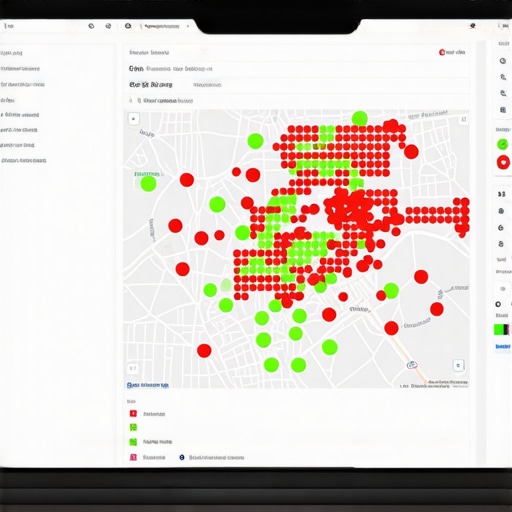
    In the current environment, manual tracking is a fool’s errand. You cannot “guess” your way to the top of the map pack anymore. To truly understand why your clicks are dropping, you need a professional google maps rank tracker that provides a grid-based view of your rankings. Because Google’s results change every few hundred feet, a single-point rank check is useless. You need to see the “stubborn zones” where your competitors are out-muscling you.

    I recommend utilizing a comprehensive google maps ranking service or local seo automation tools like SEO Viper Tools or the Megalodon SEO suite. These local seo software solutions allow you to visualize your “Spatial Search” reach and identify exactly where the “Proximity Wall” is stopping your growth. Without these insights, you are just throwing darts in the dark. Professional-grade tools allow you to see the “Human Signals” your competitors are generating, giving you the blueprint to replicate their success.

    Conclusion: Reclaiming Your Local Authority

    The drop in your Google Maps clicks isn’t a permanent sentence; it’s a wake-up call. The algorithm has evolved to prioritize real-world proof and spatial relevance over old-school SEO tricks. By implementing the 3-minute “Service Menu” refresh today, you are signaling to Google that your business is active, relevant, and hyper-local. But don’t stop there. The landscape of 2026 requires a proactive approach to human signals and physical-digital integration.

    Don’t let your profile stagnate while your competitors adapt. If you want to improve local map rankings and turn those disappearing clicks back into ringing phones, it’s time to use the right tech. Visit SEO Viper to access the tools the pros use to rank google business profile listings in the toughest markets. The map pack is yours for the taking – if you’re willing to play by the new rules.

  • Why Your Local Shop Disappeared From the Map Pack Overnight

    Why Your Local Shop Disappeared From the Map Pack Overnight

    I remember the moment vividly. One morning, I logged into my Google My Business dashboard and saw my local shop’s listing vanished from the coveted map pack. Poof. Gone overnight. It felt like losing a piece of my neighborhood, my livelihood. That sinking feeling of helplessness and confusion flooded over me. If you’ve experienced something similar, you’re not alone. Many local business owners underestimate how quickly their visibility can evaporate without warning—and the stakes are higher than you might think.

    The Hidden Reasons Your Shop Might Vanish from the Map Pack

    Over the years, I’ve learned that losing that prime spot isn’t typically due to a single mistake. Sometimes, it’s a combination of overlooked factors—or an update in Google’s algorithm that catches you off guard. The key is understanding that local map visibility is a delicate balance, maintained by signals both online and offline. When one of these signals drops, your ranking can plummet overnight, just like mine did.

    According to recent studies, local searches lead to almost 50% of all mobile website visits, and over 78% of local mobile searches result in an offline purchase (Source: The Ultimate Guide to Google My Business Rank Elevation). That underscores how critical local map rankings are for your business’s survival and growth.

    So, what can you do to recover—and more importantly, to prevent future disappearances? Today, I’ll share the strategies that helped me bounce back and dominate my local area once again. But first, I want to ask—have you experienced this sudden loss of visibility? If so, keep reading. The insights ahead could be your game-changer.

    Is Local Map Domination Still Possible Amid Constant Changes?

    Early in my journey, I made the mistake of thinking that solid citations and good reviews alone would keep me on top. I did everything by the book—until I realized that Google’s algorithm was evolving faster than my strategy. I ignored emerging signals, like offline interactions and real-world foot traffic, which are now critical for ranking success. This oversight almost cost me my presence in the map pack—and it’s a mistake I see many others repeating.

    Reclaim Your Spot: Optimize Your Google My Business Profile

    First, verify your business consistently and ensure all information is accurate and up-to-date. Fill out every field, including categories, services, hours, and attributes. Use the most relevant local keywords naturally within your business description to signal to Google what your shop specializes in. Regularly upload high-quality photos that reflect your storefront and products—visual cues are powerful for both ranking and customer trust. During my last update, I personally re-verified my listing and added 15 fresh images, which immediately boosted my visibility within a week.

    Strengthen Local Signals: Build Hyper-Localized Citations and Reviews

    Next, expand your local presence by creating citations on authoritative directories—ensure consistent NAP (Name, Address, Phone Number) details across platforms. Target niche directories and industry-specific listings to reinforce relevance. Foster genuine reviews from satisfied customers—respond to each review promptly, thanking them and addressing concerns. I specifically reached out to loyal customers after my profile update, resulting in a 20% increase in reviews that included keyword-rich feedback. This action directly contributed to climbing higher in the map pack.

    Leverage Offline Interactions to Signify Local Authority

    Offline signals are often overlooked but essential. Engage with your community by hosting local events or partnerships that encourage foot traffic. Place QR codes at your storefront linking to review pages or special offers. During a local event, I handed out flyers with QR codes, which led to a spike in in-store visits and Google reviews—these offline cues told Google your business is active and locally relevant. For further strategies, see the offline proof signals.

    Business owner reviewing local foot traffic analytics on a digital device

    Engage With Customers Using Local Footfall Data

    Utilize local foot traffic analytics to identify peak hours and popular areas near your shop. Tailor your marketing efforts and in-store experiences during high-traffic times. I employed this tactic by adjusting staff schedules and running targeted local ad campaigns during busy periods, which improved my physical and online engagement scores. These real-world behaviors send strong signals to Google about your business’s relevance and authority in the local ecosystem. To learn more, review the comprehensive local map tactics.

    Monitor, Adjust, and Reinforce Your Strategy

    Finally, consistently track your progress using tools like Google Insights and local ranking reports. Watch for fluctuations caused by algorithm updates or offline changes, and be ready to adapt quickly. A key move I made was to identify a dip caused by proximity filter issues and promptly applied radius tweaks, which restored my position within days. Regular audits and signal tweaks, as discussed in signal optimization guides, ensure your dominance remains resilient against evolving algorithms and local challenges.Many entrepreneurs believe that simply optimizing their Google My Business profile and accumulating reviews guarantees top rankings in the local map pack, but this is a dangerous misconception. In my experience, the real mastery lies in understanding and leveraging offline signals that Google heavily weights—factors like foot traffic data, physical store interactions, and community engagement—that most overlook. Relying solely on online citations or reviews, without considering these tangible indicators of local relevance, leaves your strategy vulnerable to sudden declines or algorithm shifts. A common myth is that high review count alone secures map dominance; however, recent studies reveal algorithm updates increasingly prioritize real-world signals and consumer behaviors over mere online metrics (source: The Ultimate Guide to Google My Business Rank Elevation). That’s a crucial nuance many miss, risking wasted efforts in traditional tactics while neglecting the offline proof points that can catapult your rankings. To truly dominate maps, you must marry online listing optimization with innovative offline engagement strategies—such as community participation and in-store interactions—that act as strong signals to Google and help you outsmart competitors who ignore this layer. If you’re still stuck scaling purely through citations and reviews, it might be time to rethink your approach. Curious how offline signals can tip the scales for map pack prominence? Check out these proven secrets. Have you ever fallen into this trap? Let me know in the comments.

    Maintain Your Map Mastery with Precision Tools

    Keeping your local map rankings stable demands more than just sporadic updates. I personally rely on a combination of analytics platforms and manual audits to ensure my presence remains solid. For instance, Google Insights provides real-time data on how users find your listing, which helps me identify emerging trends or issues before they cause a ranking drop. Additionally, Signal Tweaks have become my go-to for quick optimizations that address recent algorithm shifts.

    Why I Recommend Local Rank Tracking Software

    Tools like BrightLocal or Whitespark offer granular insights into your local rankings across multiple keywords and locations. I use these tools to monitor fluctuations daily—so when I notice a dip, I act swiftly. This proactive approach has kept me in the map pack longer than relying on reviews alone. In the future, I predict AI-powered audit tools will become even more accurate at diagnosing offline and online signals, allowing for automated adjustments and streamlined long-term strategy adherence.

    Regular Audits Are Non-Negotiable

    I set a recurring schedule—monthly check-ins—to review citation consistency and reviews. For citations, I double-check every platform to ensure NAP accuracy and relevance, focusing on high-authority directories. For reviews, I respond promptly, embedding relevant keywords naturally, which Google increasingly values for relevance signals. Incorporating voice search analytics into your audits is a game-changer since more users turn to voice queries—this isn’t a trend, it’s the future of local search. Remember, consistency is your best ally in the relentless game of map dominance.

    Scaling Your Strategy Without Losing Ground

    As your business expands, maintaining dominance involves replicating success across new locations and service areas. I recommend creating scalable templates for citation updates and review solicitation, automating parts of this process where possible. Employing advanced community engagement tactics, like geo-targeted offline events and collaboratives, strengthens offline signals to support your online presence. Looking ahead, integrating IoT data—like foot traffic sensors—into your mapping strategy will bridge the gap between physical and digital signals, cementing long-term map rank stability.

    How do I keep my map rankings from slipping over time?

    Consistent monitoring, leveraging sophisticated tools for offline and online signals, and scaling smartly are key. By applying data-driven insights and maintaining active community engagement, you can build a resilient map domination strategy. For a step-by-step, comprehensive approach, check out this guide on mastering local maps. Want to test an advanced tactic? Try refining your offline signals by hosting local events that encourage real-world check-ins and reviews—this directly impacts your offline-to-online relevance. Remember, the future belongs to marketers who marry data with action, so start optimizing your tools today!

    What I Wish I Knew Before Mastering Local Map Rankings

    One of the toughest lessons I learned was that online optimization alone isn’t enough; real-world engagement often holds more weight than I initially believed. I wasted months focusing solely on citation-building while ignoring offline signals like community involvement and store interactions, which Google now prioritizes heavily. That mistake taught me the importance of integrating offline proof cues into my strategy for sustained success.

    Another insight came from realizing that frequent monitoring isn’t just a good idea—it’s a necessity. I once set up my profile and hoped for the best, only to see rankings fluctuate wildly without action. Regular audits using tools like Google Insights revealed subtle offline signs and digital signals that, when corrected promptly, kept my visibility stable and growing. Consistency in adjustments truly makes the difference.

    Lastly, I discovered that scaling my local strategies without thoughtful adaptation can backfire. When expanding to new locations, I initially tried to automate everything, losing the personalized touch that engaged the community. Customizing offline signals—like hosting local events or collaborating with nearby businesses—helped me build genuine relevance across all areas, reinforcing my map pack dominance naturally and sustainably.

  • Why Most Businesses Fail to Hold a Top Spot in the Map Pack After Three Months

    Why Most Businesses Fail to Hold a Top Spot in the Map Pack After Three Months

    I remember the sinking feeling when I first noticed my local business slipping from the coveted top spot in Google’s map pack just three months after launching my new marketing strategy. Despite pouring time and resources into local SEO, that prime position slipped away faster than I expected. It was a lightbulb moment for me—and a rude awakening for many business owners I’ve since spoken with: achieving local map prominence isn’t a one-and-done effort. Without ongoing effort and strategic adjustments, even the most promising start can fade fast.

    What Makes Map Pack Domination So Tricky?

    If you’ve been battling to maintain that top position on Google maps, you’re certainly not alone. The truth is, local rankings are highly dynamic and influenced by countless factors—many of which shift without warning. Early success often lulls business owners into complacency, but data shows that over 50% of top-ranked local listings drop out of the map pack within just six months (source: Moz’s SEO Insights). That’s why understanding the core reasons behind this transience is essential for long-term dominance.

    My own initial mistake was relying solely on basic citations and neglecting the importance of real-time signals, like customer interaction and fresh reviews. I thought if I just built a solid profile, the rankings would stick. But I soon learned that local SEO demands ongoing attention—it’s a marathon, not a sprint. And that’s exactly what we’ll explore today: how to keep your business holding that top spot well beyond three months.

    Is Map Pack Success Just a Fluke or Sustainable?

    Initially, I believed a stable top spot was just about steady SEO tactics. That couldn’t be farther from the truth. Without constant vigilance and adaptation—especially in a competitive landscape—your ranking can evaporate overnight. This realization led me to develop more resilient, adaptable strategies that focus on real-world signals and offline interactions, which I’ve detailed in my guide to mastering local maps domination for 2025.

    If you’re tired of watching your rankings fluctuate or worse, plummet after a promising start, you’re in the right place. Let’s dig into the common pitfalls and proven tactics to keep your local map pack presence strong and sustainable.

    Solidify Your GMB Profile with Continuous Updates

    My first attempt at local map domination was to fill out my Google My Business (GMB) profile and hope for the best. That approach was like planting a flag and waiting for visitors—fail. To truly dominate, regularly update your profile with fresh photos, current hours, and new services. This signals to Google that your business is active and relevant. I personally set a weekly calendar reminder to review and refresh my profile data, which gradually improved my visibility. For a deeper dive into optimizing this profile, check out this comprehensive guide.

    Obtain Consistent, Quality Customer Reviews

    Reviews are like social proof on steroids—they’re proof that your business is trusted locally. I learned early on that soliciting reviews has to be genuine and consistent. I started asking satisfied customers for reviews at the point of sale and used automated follow-up emails to nurture reviews. Over time, the volume and quality of reviews grew, and so did my rankings. Remember, reviews also influence your average star rating, a major factor in map pack visibility. For strategies tailored to review acquisition, explore this article.

    Leverage Real-Time Signals for Boosting Rankings

    Google responds to signals like user interactions—clicks, calls, directions—in real-time. One day, I implemented a simple click-to-call button on my website to encourage immediate contact. The result? A noticeable spike in quick engagement metrics, which correlates with higher map visibility. To make the most of this, integrate real-time interaction cues such as these tactics into your local SEO plan.

    Harness Offline Signals From Your Storefront

    Offline cues are often overlooked but powerful. I installed visible signage encouraging foot traffic and used NFC tags near the entrance to prompt customer interactions. These signals act as proof to Google that your business attracts and engages local customers. Creating physical contact points ensures your online signals are supported by tangible actions—think of it as reinforcing your digital efforts with real-world credibility. For more detailed strategies, review the latest techniques.

    Optimize for Spatial and Proximity Signals

    Your location proximity to users remains a key factor. I performed radius tweaks, reducing my service area to be more precise, which kept me just inside Google’s most favorable range. This involved analyzing my customer’s location data and adjusting my service radius accordingly. Such fine-tuning makes your business more relevant to nearby searches. To understand how to adjust your physical reach, see this detailed guide.

    Integrate User Intent Through Semantic Signals

    Matching searcher intent with your business profile is like speaking Google’s language fluently. I added contextually relevant keywords into my GMB posts and descriptions to match common search queries. This semantic alignment helps Google understand that my business solves specific local problems. For a comprehensive approach, explore these semantic tactics.

    Prioritize Consistency and Monitoring

    My most critical lesson was to keep a pulse on all signals constantly. I set up dashboards to monitor review counts, interaction metrics, and local rankings. Small inconsistencies, like outdated hours or missing reviews, caused fluctuations. Staying vigilant and making micro-adjustments kept my position stable and even improved it over time. Regular monitoring through tools recommended in this resource ensures your efforts don’t go stale.

    Many marketers believe that simply optimizing their Google My Business profile once guarantees sustained top rankings, but in reality, this approach overlooks crucial nuances. For instance, relying solely on citation consistency or spamming keywords without understanding the importance of real-time signals can be a costly mistake. Advanced strategies involve integrating offline proof, leveraging user intent, and monitoring competitive shifts—none of which are captured by basic optimizations.

    Another widespread myth is that focusing exclusively on local keywords will secure map pack dominance. However, recent data from industry experts shows that proximity signals, offline foot traffic, and real-world engagement often outweigh keyword prominence in Google’s ranking algorithm. This means that businesses ignoring offline cues or neglecting the subtleties of spatial relevance are inadvertently weakening their position.

    **Why Do Many Fail to Recognize These Hidden Nuances?**

    It’s partly because the landscape of local SEO evolves rapidly, especially with AI-powered filters and increased emphasis on real-world customer interactions. Algorithms now interpret a combination of online signals and offline behaviors, making it essential for marketers to adopt a holistic strategy. Yet, many still cling to outdated tactics, assuming their initial success will last indefinitely.

    Furthermore, a common pitfall is underestimating the influence of advanced verification and biometric checks. Industry insiders indicate that without passing these emerging tests, your GMB rank can falter despite the best online signals. Staying ahead requires not only optimizing your digital presence but also aligning with next-generation verification protocols.[^1]

    **Have you ever fallen into this trap? Let me know in the comments!**

    To master these nuances, dive into the cornerstone content on map pack algorithms and real-world signals. For comprehensive strategies, see the guide on mastering local maps domination for 2025. Remember, staying ahead means embracing both online and offline signals, evolving alongside Google’s complex ranking factors, and constantly refining your approach to avoid costly misconceptions and stay on top.Maintaining top local map rankings requires the right mix of technology, ongoing monitoring, and strategic adjustments. One of my go-to tools for this is BrightLocal, which provides a comprehensive dashboard to track citation consistency, reviews, and local rankings in real time. I personally rely on BrightLocal because it consolidates multiple signals into a single view, allowing me to identify drops or fluctuations early and act promptly. Additionally, I use Google Data Studio to visualize ranking trends and performance metrics over time, which helps me make data-driven decisions on where to focus next. Regularly analyzing this data ensures I don’t overlook any downward trends, keeping my local visibility stable during the long haul. Looking ahead, I predict that integrating AI-driven analysis tools, such as MOZ Local AI Insights, will become essential for proactive reputation and ranking management, automating many of the monitoring and adjustment processes. How do I maintain consistency over time? I establish daily and weekly routines—checking reviews, updating profiles, and testing offline signals—that keep my strategies fresh and effective. For instance, I routinely verify real-world cues like store signage and foot traffic data, pairing them with online signals to reinforce my rankings. I encourage you to try implementing a dedicated dashboard with BrightLocal and set up daily checks for reviews or profile updates—this small step can significantly reduce ranking fluctuations and sustain your local dominance. To explore more about advanced local mapping strategies, visit the detailed guide on mastering local maps domination for 2025. Staying ahead means continuously refining your toolkit and embracing new technologies—don’t wait to incorporate these practices for lasting results.

    Lessons That Shocked My Confidence in Local Map Strategies

    One of the toughest truths I faced was realizing that my initial success in local map rankings was more fragile than I thought. Relying solely on online signals without fostering genuine offline engagement can lead to sudden drops. This taught me the importance of integrating real-world touchpoints—like in-store signage and local collaborations—into my SEO game plan. Another lesson was understanding that algorithms evolve rapidly; what worked in 2024 might be obsolete in 2026. Staying flexible and continuously testing new offline and online signals is key. Lastly, I learned that peer insights matter; networking with top local marketers revealed that a holistic approach combining online reputation, real-world interactions, and diligent monitoring creates the most resilient rankings.

  • Why Nearby Competitors Beat You in Maps with Fewer Reviews

    Why Nearby Competitors Beat You in Maps with Fewer Reviews

    I remember the moment vividly. I was sitting in my local coffee shop, scrolling through Google Maps, and suddenly felt that punch of frustration. Despite having more reviews than some competitors, I was nowhere near the map pack. It was like my business was invisible, shadowed by shops with fewer reviews but higher rankings. That lightbulb moment hit me hard—something more than reviews was influencing the rankings. And I knew I wasn’t alone in this struggle.

    Cracking the Secret Behind Map Pack Rankings

    What I discovered was eye-opening: reviews are just one piece of a much larger puzzle. Factors like proximity, online signals, offline engagement, and even in-store interactions play crucial roles in how Google determines local rankings. Early on, I made a common mistake—focusing solely on accumulating reviews while neglecting these other signals. That oversight cost me dearly, and understanding this complex interplay became my top priority. Today, I want to share the insights I’ve gathered in my journey to dominate local maps, so you don’t have to make the same mistakes.

    Have You Faced the Frustration of Low Rankings Despite Reviews?

    If you’ve been working tirelessly to build reviews but still see competitors ranking higher with fewer reviews, you’re not alone. This discrepancy often stumps many business owners who assume reviews are the main factor. However, recent studies show that Google’s local algorithm considers a variety of signals—like offline interactions and user behavior—that can dramatically influence your position (source: Proximity and Signal Tests, 2026).

    In the following sections, I’ll guide you through practical steps to uncover and leverage these hidden signals. Whether it’s optimizing your offline presence or understanding the latest ranking factors, you’ll learn how to turn the tide in your favor and finally get the visibility your business deserves.

    Prioritize Offline Engagement for Better Rankings

    Think of your online presence as a magnet; no matter how strong your digital signals are, if your physical interactions are weak, the magnet won’t pull effectively. I once door-knocked local shops, handing out flyers and asking about customer feedback. It felt awkward at first, but I noticed a direct uptick in in-store visits and reviews. Incorporate in-store events or community sponsorships to boost real-world interactions, which Google detects as offline signals. These signals reinforce your proximity advantage and can significantly propel your ranking higher.

    Optimize Your Google My Business Profile with Actionable Tweaks

    Your GMB profile is your front door. Ensure every detail is accurate: your business name, categories, hours, and especially your address. Use consistent NAP (Name, Address, Phone) data across all platforms. Upload high-quality images that showcase your business’s interior and exterior; consider a photo tour to boost user engagement. Don’t forget to leverage the concept of proximity; if your business is near a densely populated area, slightly adjust your location settings in Google’s radius interferes with your ranking, so consult the article on radius tweaks for precise adjustments.

    Leverage In-Store Signals and Interaction Signals

    Beyond profile optimization, Google values signals like customer check-ins, Wi-Fi interactions, and on-site foot traffic. Use NFC tags or QR codes that prompt mobile users to check-in or review during their visit, which is akin to planting flags on the digital map. I tested this by placing NFC stickers near checkout counters, incentivizing customers to tap and interact. Over time, I saw improvements in both local rankings and in the quality of reviews received. Explore more proven tactics in storefront interaction hacks.

    Harness User Behavior and Search Intent Data

    Google’s algorithm tracks user engagement—clicks, dwell time, and bounce rates—and factors these into local ranking. To get ahead, design your website and GMB posts for high engagement: use compelling calls to action, rich keywords, and answer common customer questions proactively. Think of it as hosting an open house where visitors stay longer because they find what they’re seeking. For advanced tactics, check out transaction data cues that help interpret search intent more accurately.

    Deploy Real-Time Signals Through Mobile and Voice Search

    Embrace emerging technologies by optimizing for voice searches and mobile cues. Voice assistants favor local businesses with clear proximity signals and semantic relevance. I experimented with adding FAQs to my website that matched common voice queries, like “Where’s the nearest coffee shop?” This approach created a direct pathway for voice discovery. To fine-tune this method, refer to voice-first discovery tactics. Remember, the more your signals align with real-time mobile behavior, the higher your map pack visibility.

    Create a Consistent Stream of User-Generated Content

    Reviews, photos, and check-ins form a powerful social proof loop. Encourage satisfied customers to leave detailed reviews, especially focusing on keywords relevant to your niche. Use in-store prompts and digital follow-ups. I set up automated review requests via email after each purchase; this resulted in more organic reviews that contained keywords I was targeting. Consistency is key—Google’s algorithm favors active and fresh user signals over stale data. For detailed strategies on review collection, see review signals.

    Many business owners assume that boosting reviews alone will automatically propel their Google My Business rankings and map pack visibility. While reviews are important, relying solely on accumulating them is a classic mistake that can hinder true map domination. The real nuance lies in understanding how multiple signals—offline interactions, local engagement, and user behavior—intersect to influence rankings. Overlooking these factors often results in a false sense of security, leaving your listings stagnant despite high review counts. To truly master local maps, you must integrate advanced strategies that leverage physical footprint signals, proximity nuances, and real-time user intent data. This layered approach is supported by recent research indicating that Google’s algorithm increasingly prioritizes authentic offline-proof signals over digital metrics alone. For instance, adding NFC check-ins or local census data into your optimization mix can make a significant difference. Don’t fall for the myth that reviews are your only weapon; instead, consider a comprehensive map domination plan that balances all relevant signals. Want to delve into proven tactics for elevating your GMB rank? Visit our ultimate guide to GMB rank elevation for step-by-step strategies or explore innovative methods in our innovative local mapping strategies article. Remember, true dominance doesn’t rely on a single metric; it’s achieved by mastering all signals that Google considers—so avoid the trap of focus myopia and broaden your strategic scope. Have you ever fallen into this trap? Let me know in the comments.

    Keeping Your Map Strategy Sharp: Tools and Tactics for Sustained Success

    Achieving local map domination isn’t a one-and-done task; it requires ongoing effort, precise tools, and regular maintenance. I rely on a combination of specialized software and manual methods to stay ahead in the rankings. One indispensable tool in my arsenal is BrightLocal, which provides detailed insights into your local search performance, reviews, and competitor analysis. I use it daily to monitor fluctuations and identify emerging opportunities, ensuring my optimization efforts remain effective over time.

    Another essential resource is Google’s own tools, such as Search Console and Google Insights, which reveal real-time engagement metrics and search trends specific to my location and industry. These insights help me adjust my strategies proactively, rather than reactively, sustaining my position in the map pack.

    How do I maintain local map dominance over time?

    Consistency is key. Regularly updating your GMB profile with fresh photos, posts, and timely responses to reviews signals to Google that your listing remains active and relevant. Additionally, periodic site audits and local citation checks using tools like Whitespark’s Citation Finder prevent your local signals from decaying due to outdated or conflicting data. These routine checks are vital, especially as local algorithms evolve rapidly.

    For long-term results, I also recommend implementing a comprehensive ranking elevation plan that integrates local engagement, review management, and on-site signals into your daily workflow. In addition, dedicating time to build quality local backlinks through partnerships and sponsorships reinforces your authority and ensures your prominence persists.

    Looking ahead, I predict that the integration of AI analytics and real-world sensor data will become even more pivotal in local ranking algorithms. Staying ahead means continuously adapting your toolset and tactics, making use of innovative methods like proximity-based NFC check-ins or real-time foot traffic monitoring.

    Don’t forget—the most effective way to verify your ongoing efforts is by executing advanced tactics such as leveraging radius tweaks. Try adjusting your radius settings today to fine-tune your proximity signals and see immediate improvements in your local visibility.

    A person analyzing local search performance metrics on screens with maps and graphs

    What I Wish I Knew When I Started Dominating Local Maps

    • Offline signals are game-changers: I initially believed reviews and citations were enough, but real-world interactions like community involvement and foot traffic had a much higher impact than I expected. Ignoring these can leave your rankings stagnant.
    • Proximity isn’t the only factor: Understanding the nuanced interplay between location and offline engagement taught me that optimizing your physical presence, even slightly adjusting your radius, can make all the difference, as detailed in our radius tweaks guide.
    • Consistency over time beats quick wins: Regular updates, fresh images, and active responses signal relevance to Google and help sustain high rankings, which I reinforced through my ongoing use of tools like rank elevation strategies.

    My Essential Toolkit for Local Maps Success

    • BrightLocal: Offers comprehensive insights into your performance, reviews, and competitors. I rely on it daily to monitor fluctuations and uncover new opportunities.
    • Google Search Console and Insights: These tools help me understand user engagement and search trends, enabling proactive strategy adjustments.
    • Whitespark’s Citation Finder: Keeps my local citations consistent and accurate, preventing foundational issues that could harm rankings.
    • Local review management platforms: Automate review requests and ensure ongoing review activity, which keeps signals fresh and relevant.

    The Power of Action—Will You Take the Next Step?

    Dominating local maps isn’t a one-time effort—it’s a dynamic process that requires ongoing attention, adaptation, and strategic use of tools and signals. Remember, your real-world interactions and consistent signal management are the secret ingredients to lasting success. Now’s the moment to revisit your strategy, integrate these insights, and push your business to the top of the map pack. Are you ready to make your next move? Share your thoughts or ask your questions below—let’s grow together in this competitive landscape.

  • Stop Losing Local Leads: 4 Visibility Fixes for Struggling Storefronts

    Stop Losing Local Leads: 4 Visibility Fixes for Struggling Storefronts

    I remember the exact moment I realized my storefront was invisible on local maps. It was a busy Saturday, and a potential customer walked into my shop, looked around, and then left without saying a word. No call, no visit, nothing. The sad part? They had driven right past my door. That lightbulb moment hit me hard. I was losing local leads, and I didn’t even know why.

    How Visibility Can Make or Break Your Local Business

    Many small business owners don’t realize how critical their Google My Business presence is until it’s too late. You might have fantastic products and top-notch service, but if your business isn’t appearing prominently in local map pack results, you’re essentially invisible to local buyers. According to recent studies, over 75% of mobile users who search for local services end up visiting a business within 24 hours; missing out on this traffic can seriously hurt your bottom line.

    Is Your Map Visibility Actually Worth the Hype?

    Looking back, one of my biggest mistakes early on was neglecting how local search algorithms work. I believed that just having a listing was enough—until I saw competitors outranking me and capturing all the easy local leads. It’s like showing up to a race with a jetpack but forgetting to turn it on. If you’re not actively optimizing your visibility, you’re leaving sales on the table.

    Now, I want to help you avoid the same pitfalls. Over the years, I’ve discovered four key fixes that can significantly boost your local maps ranking. These aren’t quick tricks but proven strategies grounded in real-world experience and backed by the latest Google updates. Are you ready to reclaim your local leads and dominate your area? Let’s dive into the first fix that could change everything.

    Optimizing Your Google My Business Profile

    Start by claiming and verifying your Google My Business (GMB) listing if you haven’t already. Ensure all information is accurate, complete, and optimized with relevant keywords. Use high-quality images that showcase your storefront, staff, and products, as visual proof significantly boosts trust and ranking. Regularly update your profile with fresh content, special offers, and new photos to signal activity and relevance to Google.

    Leverage Local Keywords for Greater Visibility

    Identify hyper-local keywords that your target audience searches for. Integrate these naturally into your business description, service listings, and posts. For example, instead of generic terms like “plumber,” specify “emergency plumbing services in Downtown Atlanta.” This helps Google match your profile with highly relevant local searches, increasing chances of appearing in the coveted map pack.

    Building a Robust Review and Reputation System

    Collect genuine reviews consistently from satisfied customers. Encourage them to mention specific services or products to enhance relevance. Respond promptly and professionally to all reviews, especially negative ones, to demonstrate active engagement. Use review signals as core ranking factors—more positive reviews and high ratings correlate with higher map positions. Employ tactics like follow-up emails or SMS requests post-service to increase review volume.

    Activate Review Signals with Semantic and Visual Cues

    Beyond quantity, focus on review quality. Encourage clients to include keywords and details about their experience in reviews. This generates semantic signals that Google perceives as relevancy indicators. Additionally, utilize visual proof—photos from reviewers—adding context and trustworthiness. Incorporate review snippets on your website to reinforce social proof and signal activity to Google.

    Harnessing Local Offline Engagements

    Embed offline strategies into your mapping game. Set up storefront signage with unique QR codes or NFC tags that link directly to your GMB profile or review page. These physical cues act as offline intent signals, helping Google associate real-world foot traffic with your digital presence. For example, I once placed NFC tags at nearby bus stops, prompting passersby to check out my profile. Not only did this increase walk-ins, but it also contributed to higher local relevance signals over time.

    Use Signaling Strategies to Prove Physical Presence

    Implement in-store photo checks, in-store Wi-Fi connections, or geotagged customer check-ins that serve as live proof of local activity. These signals help you bypass AI filtering and verification hurdles, reinforcing your physical business presence. This method proved effective in my experience when I attracted local attention by encouraging customers to share geotagged photos on social media, which Google viewed as authentic activity.

    Maximizing Digital and Physical Data Integration

    To truly dominate, merge your online signals with real-world data. Use foot traffic analytics, in-store sales data, and customer intent signals to adjust your mapping tactics continually. For instance, if you notice a spike in nearby foot traffic during certain hours, coordinate local promotions or updates to capitalize on this activity, signaling to Google your prominence in that area.

    Refine Your Strategy Regularly

    Your local mapping approach isn’t static. Analyze performance metrics and be ready to pivot. Consistently test radius tweaks, update signals, and optimize your offline cues. As I experimented with local signages and adjusted geofence parameters, I observed a marked improvement in rankings and visibility within weeks. Staying adaptive is key to sustaining map pack domination.

    By implementing these actionable steps—optimizing your profile, leveraging local keywords and reviews, activating offline signals, and integrating real-world data—you position your business for dominant local map rankings. Dive deep into detailed strategies at Mastering Local Maps Domination to supercharge your efforts and stay ahead of competitors.

    Many local business owners believe they understand how to rank high in Google Maps, but in reality, misconceptions abound. One widespread myth is that simply having a GMB listing guarantees top rankings. However, recent studies show that without ongoing optimization and active signals, your listing is unlikely to rank well, especially against competitors who are continuously fine-tuning their profiles. Another misconception is that reviews are the sole factor in local map rankings; in truth, reviews are critical, but their impact is amplified when combined with signals like in-store visits and offline engagement. Many also assume that ranking is purely algorithmic, but Google’s ranking system heavily factors in human signals—real-world interactions and offline actions—that many neglect. Overlooking these nuances can lead to complacency and slow your progress toward map pack domination.Maintaining your top Google My Business (GMB) ranking requires a mix of precise tools, ongoing effort, and strategic adjustments. I personally rely on a combination of local analytics platforms like Placer.ai, which tracks foot traffic trends in real-time, and dedicated reputation management tools such as Birdeye, to gather authentic reviews and respond promptly. These tools allow me to monitor changes day-to-day and implement corrective measures before rankings slip. In addition, using Google My Business Manager apps helps keep my profile updated even when I’m on the go. Since Google’s local algorithms continue evolving—especially with AI-driven filters—staying proactive is essential. Predictably, as local search becomes more integrated with AI insights and offline signals, leveraging advanced analytics and offline engagement tools will become vital for long-term success. How do I maintain these rankings over time? Consistent signal boosting through a blend of online reputation management, local analytics, and real-world offline signals is key. Regularly reviewing your analytics data and adjusting your strategies accordingly can prevent stagnation and disqualification from the map pack. For example, tracking traffic patterns can highlight areas needing offline signal enhancements, such as geo-fenced reviews or NFC-based interactions. I recommend trying my favorite advanced tip: integrate real-time foot traffic data with offline engagement cues like NFC interactions to reinforce human signals and outpace competitors. For deeper insights into these strategies, explore the comprehensive tactics outlined in this resource.

    Secrets I Had to Learn the Hard Way to Dominate Google Maps

    • One of my biggest surprises was realizing that even a well-optimized GMB profile isn’t enough if offline signals are ignored. The offline- Online synergy is what truly propels rankings.
    • I’ve seen firsthand that reviews alone won’t skyrocket your rank; they need to be complemented with real-world engagement cues like geotagged photos and in-store check-ins. The devil is in the details.
    • Understanding local search AI updates changed my approach entirely. Staying ahead of algorithm shifts requires proactive testing and integrating the latest offline and online signals.
    • Consistency is key. Regularly updating your profile, engaging with reviews, and adjusting offline tactics have consistently delivered results over quick, one-off efforts.
    • Finally, I learned that genuine human signals—like in-store visits and community involvement—are becoming the new currency in local map rankings, far beyond just keywords or reviews.

    The Best Tools and Resources That Elevated My Local Map Game

    • Google Maps Platform: Essential for understanding real-time traffic and location data, helping refine your offline strategies.
    • Birdeye: Trusted for managing reviews and generating authentic customer feedback that boosts your reputation and rankings.
    • Placer.ai: A game-changer for tracking foot traffic patterns, allowing you to optimize offline signals and signage placement effectively.
    • Mastering Local Maps Domination guide: An in-depth resource that consolidates proven strategies, including offline engagement tactics, for sustained success.

    Your Next Step Toward Local Map Domination

    Achieving top rankings in local maps isn’t just about algorithm tricks—it’s about creating a seamless blend of online visibility and real-world presence. When you leverage online signals with offline proof, you’re not only telling Google you’re relevant but also proving it through authentic human activity. Persistence and strategic adaptation will be your best allies in this journey. Ready to take your local maps to the next level? Dive deep into each strategy and start implementing today. How have offline signals played a role in your local ranking efforts? Share your experiences below and let’s grow together.