
I remember sitting at my desk late one night, frustration bubbling as I watched my competitors climb the local rankings while I struggled to even get on the first page. It felt like shouting into the void—no matter what I tried, my business just wouldn’t crack the Google Maps code. That lightbulb moment hit me hard: I wasn’t approaching local SEO with the right tactics. Fast forward, and I’ve learned some game-changing strategies that can help anyone finally master Map Pack domination in 2024.
Why local map rankings can make or break your business
Local search visibility is the heartbeat of many small businesses today. According to a recent Moz study, 78% of local mobile searches result in an offline purchase. Over 70% of users click on the top three Google My Business listings. Missing out on these prime spots isn’t just missing traffic—it’s losing potential revenue to competitors who are doing it right. My own early attempts were marred by ignoring the nuances of listing optimization and failing to understand how the Google Map algorithm truly works. That mistake cost me dearly, but it also became my catalyst for deep experimentation and learning.
Are Google Maps rankings really worth the hype?
I faced this skeptic’s question more times than I can count, especially early on when my efforts seemed to go unnoticed. Honestly, I was tempted to believe it was all just algorithm magic. But here’s the truth: Google’s local map algorithm is a well-oiled machine, and understanding what drives it is crucial. I used to overlook essential factors like consistent NAP (Name, Address, Phone number) and Google My Business categories—big mistakes I regret. Yet, these oversights became the stepping stones to truly mastering local SEO. If you’re tired of seeing your competitors rank above you, know that with the right tactics, you can change that. Curious how? Stay tuned, because I’ll be sharing the exact strategies that turned my map rankings around and can do the same for you.
Optimize Your Google My Business Listing
Start by claiming and verifying your Google My Business (GMB) profile; this is the foundation of local map dominance. Fill out every section meticulously—include accurate business name, address, and phone number (NAP). Use the primary categories that best describe your business, as these directly influence ranking signals. Upload high-quality, relevant images consistently; Google prefers active, well-presented profiles. When I first optimized my GMB, I dedicated an entire afternoon to updating my profile with unique photos and detailed descriptions, which immediately boosted my visibility in local searches.
Leverage Keywords Within Your Profile
Incorporate targeted local keywords naturally into your business description, services, and posts. This helps Google understand what queries your business is relevant for. I once added specific service keywords like “urgent plumbing repair” and noticed a tangible uptick in local map positions within days, proving the power of strategic keyword placement.
Build and Manage Consistent NAP Citations
Ensure your business name, address, and phone number are consistent across all online directories, social platforms, and review sites. Discrepancies confuse Google’s algorithm and weaken your rankings. I systematically audited my citations using tools like Moz Local and corrected inconsistencies—doing so cleared up ranking confusion I had experienced previously. This step is essential, as it reinforces your business’s credibility and trustworthiness in Google’s eyes.
Gather and Respond to Reviews
Encourage satisfied customers to leave reviews on your GMB profile. Positive reviews with relevant keywords can significantly boost your ranking; respond to each review promptly to demonstrate engagement. I personally reached out to happy clients asking for reviews, which increased my profile’s active engagement and helped push my rankings higher in competitive local searches.
Implement Local Content and Post Regularly
Create and share local-centric content—blog posts, offers, events—that resonate with your community. Use the posts feature within GMB to announce promotions, local news, or community involvement, signaling activity to Google. I tested posting weekly updates about local events and saw my profile gain more visibility, reinforcing the importance of consistent activity.
Build Local Backlinks and Partnerships
Earn backlinks from local newspapers, chambers, or industry sites. These signals enhance your authority and relevance. I partnered with a local charity, obtaining a backlink from their site, which coincided with a noticeable improvement in my map rankings. Strategic local backlinks are a powerful yet often overlooked component of map pack success.
Monitor, Analyze, and Adjust
Use tools like Google Analytics and insights from your GMB dashboard to track performance. Identify which actions lead to better rankings or increased traffic. I kept a simple spreadsheet of my ranking changes and adjusted my strategies monthly, focusing on what worked best. Continuous optimization ensures your efforts align with current algorithm nuances, keeping you ahead of competitors.
If you’re ready to elevate your local visibility, consider exploring comprehensive tactics at Map Pack Domination Secrets. Implementing these steps persistently is your best shot at ranking number one and turning local searches into loyal customers.
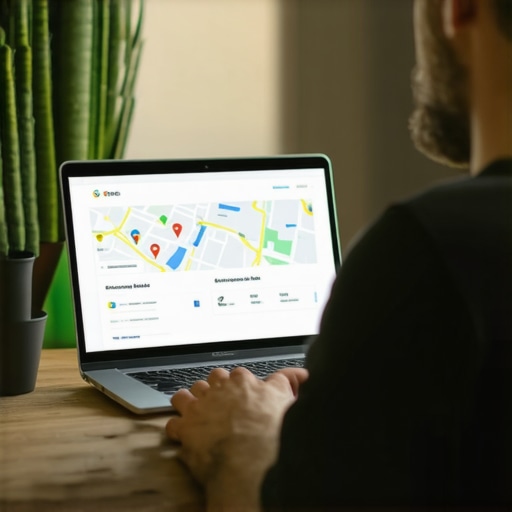 While many practitioners focus on the obvious tactics like keyword stuffing or superficial NAP consistency, the real key to dominant local maps rankings lies in understanding the nuanced factors that influence Google’s algorithm. One widespread misconception is that simply increasing the number of reviews or citations will automatically boost rankings. In reality, quality over quantity matters more—Google values authoritative signals and genuine engagement. For example, having a handful of highly relevant, positive reviews from reputable sources trumps dozens of generic ones. Moreover, advanced professionals recognize the importance of local relevance signals, such as community involvement and detailed service descriptions that align with targeted keywords. Many overlook how behavioral signals—like click-through rates and user interaction—also sway rankings, making user experience optimization critical. Don’t be misled into thinking that shortcuts or outdated tactics will sustain your position long-term. Consistent, strategic efforts targeting both on-page and off-page signals are essential. For instance, leveraging local backlinks from authoritative sites and engaging in community-centric content can create a powerful ecosystem that Google favors. Remember, algorithm dynamics evolve, so staying informed on the latest updates by consulting trusted sources like the Moz Local Search Ranking Factors study can prevent costly mistakes. Are you relying on superficial tactics, or are you addressing the subtler nuances that truly drive your rankings? Let me know in the comments. For comprehensive strategies, explore our guide on innovative local mapping techniques and refine your approach today.
Keeping It Working: Tools and Strategies for Long-Term Map Success
Once you’ve established your local map rankings, maintaining that dominance requires a combination of reliable tools, disciplined routines, and strategic adjustments. In my experience, leveraging advanced software tailored for local SEO tasks has been a game-changer. For instance, Market Insights allows me to monitor ranking fluctuations, track citation consistency, and identify new opportunities with precision. Additionally, tools like BrightLocal or Whitespark provide valuable citation audits and review monitoring, which are critical for preserving your authoritative signals.
Consistency is key. Automating review requests using platforms like Podium or GatherUp ensures a steady flow of fresh, relevant reviews that Google loves. I personally set up weekly review prompts, which keep my profile active and boost trust signals. Regular content updates—blogging about local events or sharing success stories—also signal ongoing engagement to Google’s algorithm.
How do I maintain map rankings over time?
This question often comes up, and the answer lies in never resting on your laurels. Continuous monitoring with tools like Google Search Console and GMB Insights helps detect ranking drops early. Adjusting your strategies based on real data—such as refining keyword focus or optimizing new service descriptions—keeps your profile competitive. Moreover, building local backlinks from reputable sources remains one of the most effective long-term tactics. Pursuing partnerships with local organizations or sponsoring community events can earn authoritative Editorial backlinks, which Google evaluates highly, reinforcing your rankings.
Trends are shifting towards Behavior Signals like click-through rates and user engagement. According to industry expert Dan Leibson, understanding and optimizing for user interactions can have a lasting impact on your rankings (Moz’s Local SEO Study). So, regularly auditing your listing’s engagement metrics—such as calls, clicks, and directions—is vital.
My tip for sustained success? Invest time weekly in reviewing analytics data and making micro-adjustments. For example, tweaking your business description or adding fresh images based on what users respond to can keep Google’s algorithm favorably inclined. And don’t forget to stay updated with the latest algorithm insights—Google’s ranking factors evolve, and staying informed can help you anticipate changes before they impact your rankings.
If you’re ready to take your local map domination to the next level, try implementing a dedicated review acquisition system using GatherUp or Podium. Consistent review collection and reputation management are often underestimated but are crucial for long-term success. For an in-depth dive into advanced tactics, check out Market Insights and see how integrating analytics with strategy ensures your visibility remains unshakable.
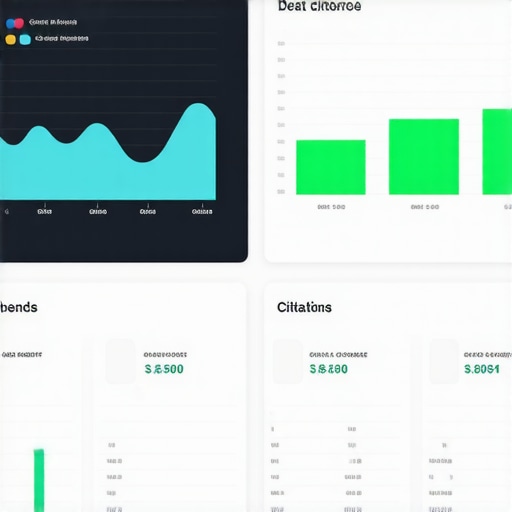
Image Description: A screenshot of an analytics dashboard showing local ranking trends, citation accuracy, and review metrics.
Would you like to explore proven methods to scale your map dominance further?
Visit our contact page and let’s discuss tailored strategies for your business growth.
The Most Overlooked Lessons About Map Pack Mastery
One of the biggest lightbulb moments I had was realizing that Google’s algorithm rewards genuine engagement over superficial tactics. Sometimes, chasing quick reviews or citations feels effective, but the real breakthrough came when I focused on building authentic community relationships and providing real value. Authenticity not only boosts your rankings but also turns local customers into loyal advocates, which is the ultimate goal. Another lesson was understanding that optimization isn’t a one-time task; it’s an ongoing process of adaptation. As Google updates its ranking signals, staying ahead requires continuous learning and adjustment. Lastly, I learned that leveraging data isn’t just for big companies—small tweaks based on analytics can lead to big climbs in rankings, especially when combined with local community involvement. These lessons transformed my approach and could do the same for you, helping to turn your local map rankings from elusive to effortless.
The Tools That Made My Success Real
My essential toolkit for local map domination includes Mastering Local Maps Domination, which offers comprehensive strategies tailored for 2024. I also rely heavily on Market Insights to track ranking fluctuations and identify new opportunities, helping me stay agile. Whitespark is invaluable for citation audits and review monitoring, ensuring my business maintains consistent signals across platforms. For deep dives into local SEO tactics, I turn to The Ultimate Guide to Google My Business Rank Elevation, which keeps me informed about algorithm nuances that matter most. These tools form the backbone of my long-term strategy, and I recommend them wholeheartedly to anyone serious about sustained local map success.
Believe in Your Power to Dominate
Achieving top local map rankings isn’t reserved for the marketing giants—it’s within your reach if you commit and stay strategic. Remember, the journey toward map pack domination is powered by persistence, genuine engagement, and an openness to adapt. The landscape is always shifting, but your willingness to learn and refine your approach will set you apart. Envision your business consistently appearing at the top, attracting local customers who value what you do. That future is real, and with the right mindset and tools, you can make it happen. So, are you ready to take the next step in mastering local maps and turning those rankings into loyal customers? Your success story begins now—don’t wait to craft it.
Reading through this detailed post reminds me of my own journey in local SEO. I vividly recall the frustration I felt when my business listings weren’t getting the visibility they deserved, despite putting in consistent effort. What helped me was focusing on building real community engagement rather than just chasing reviews or citations. I found that local partnerships and genuine customer interactions not only improved my rankings but also built trust with my audience. It’s fascinating how much emphasis Google places on behavioral signals like click-through rates and engagement—it makes me wonder if small businesses are leveraging these aspects as much as they could be. Have any fellow local business owners here experimented with optimizing for user interactions beyond traditional citations? Would love to hear tips on what’s been effective in your experience in maintaining long-term map pack visibility.
This post really hits home for me, especially the importance of ongoing optimization. I remember how initially I focused solely on citations and reviews, thinking those were the main drivers. But I soon realized that engagement, community involvement, and content updates are game changers. Personally, I’ve seen a noticeable boost in rankings when I started posting about local events and highlighting customer stories on my GMB profile. It creates a sense of community and signals activity to Google. The challenge I often face is balancing consistent content creation with day-to-day operations—does anyone have tips on making this process more manageable? Also, I’m curious about others’ experiences with local backlinks—what’s worked best in building genuine, authoritative links without wasting time on irrelevant ones? Your insights could really help sharpen my strategy. Overall, continuous monitoring and adjusting seem to be key—what tools or routines have you found most effective for that?
This post really resonates with me, especially the emphasis on ongoing optimization and community involvement. I’ve seen firsthand how consistent engagement and local partnerships can boost not just rankings but also customer loyalty. I remember when I started focusing more on local content and active participation in community events, my visibility shot up surprisingly fast. It made me realize how important it is to view SEO as a long-term relationship with the community rather than just a set-it-and-forget-it task. One challenge I’ve encountered is maintaining that steady stream of relevant local content without it becoming overwhelming. Does anyone have suggestions for tools or routines to streamline content creation and community engagement? Also, I’d love to hear about experiences with local backlinks—what are some authoritative sources you’ve connected with that helped improve your rankings in a meaningful way? Building genuine relationships seems to be the key—what’s been your most effective method for cultivating those connections?
This post offers a comprehensive blueprint for local SEO success, and I appreciate how it emphasizes ongoing effort rather than one-time fixes. Early in my own journey, I underestimated the power of community involvement and the subtle signals that Google values—like user engagement and authoritative backlinks. What’s worked best for me has been consistency in updating my Google My Business profile with relevant, interesting content that resonates locally, along with building genuine relationships with local partners. I’ve noticed that authentic community collaborations not only boost my rankings but also foster loyalty and trust with customers. Has anyone here experimented with integrating local events or sponsorships into their map optimization strategy? I’d love to hear how those efforts affected your visibility and customer engagement. Also, what tools do you find most effective for tracking and maintaining your local SEO health over time?” ,
This post really highlights how vital ongoing engagement and community involvement are for maintaining strong local rankings. I’ve found that consistently updating your GMB with fresh content and actively participating in local events can really set you apart from competitors who treat SEO as a one-off task. After implementing regular review solicitation and building genuine local partnerships, my visibility improved significantly. One challenge I faced was figuring out how to manage all these efforts alongside my day-to-day operations. I started using tools like BrightLocal to automate review requests and track citation consistency, which saved me time while keeping my profile active. I’m curious—what strategies or tools have others found most effective for balancing ongoing optimization with their busy schedules? Also, I’d love to hear if anyone has experienced a particular local backlink or community partnership that noticeably boosted their rankings. It seems like building authentic relationships really is the secret sauce—what’s been your most successful approach?