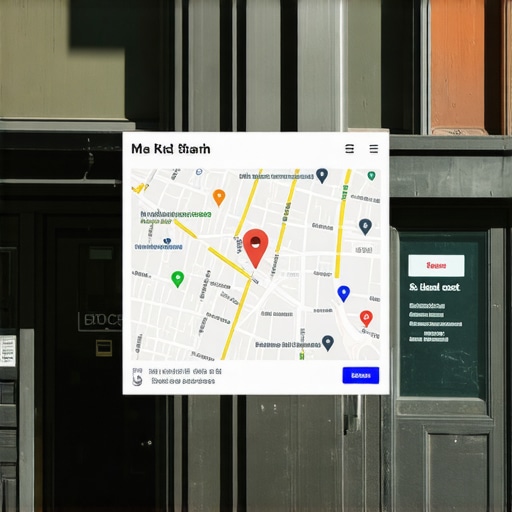
I remember the exact moment I realized my business was invisible on Google Maps. Despite having a great product, I was stuck on the second page of local search results. It was frustrating, almost embarrassing. I knew I was missing out on a flood of nearby customers because I didn’t understand how to get my listing to stand out. That lightbulb moment led me down a path of discovery — and I want to share what I’ve learned about dominating local maps in 2024.
The Power of a Well-Executed Local Mapping Strategy
Getting your business to rank #1 on Google Maps isn’t about luck; it’s about strategy. When I first started, I made the mistake of thinking simply having a Google My Business profile was enough. Spoiler: it’s not. The game has evolved, and so should your approach. Today, I’ll walk you through proven tactics that helped me climb to the top and keep my spot there. If you’re tired of being overshadowed by competitors, stick around. We’re about to turn your local visibility into a powerful magnet for customers.
Is Local Map Optimization Really Worth the Hype?
Let me be honest — I was skeptical at first. I thought, “How hard can it be?” Turns out, I was making some classic mistakes early on, like neglecting reviews or ignoring local keywords. One of the biggest turning points was realizing that Google rewards businesses that actively manage their profile and engage with their community. For example, I started focusing on consistent NAP (Name, Address, Phone number) details and posting updates regularly. My rankings improved, but it took patience and persistence. If you want to skip the trial-and-error phase, I recommend checking out these proven strategies.
So, if you’ve faced the frustration of seeing competitors outrank you despite your efforts, you’re not alone. The good news is, with the right tactics, there’s a clear path to the top. Ready to learn what works and avoid common pitfalls? Let’s dive into the first step of a winning local mapping strategy that will elevate your Google Maps rankings in 2024.
Build a Robust Google My Business Profile
Start by claiming and verifying your Google My Business (GMB) listing if you haven’t already. Make sure every detail is accurate and consistent across platforms — this is your foundation. Upload high-quality images of your business, team, or products to make your profile visually appealing. Complete every section, including categories, services, and business hours. Remember, a well-optimized profile signals trustworthiness to Google and potential customers alike.
Optimize Your NAP Consistency
NAP stands for Name, Address, Phone number. Ensure these details are identical everywhere online, from your website to local directories. Inconsistent NAP info confuses Google and hampers your rankings. Use tools or spreadsheets to track your listings and update them regularly. When I corrected my NAP discrepancies, my local rankings improved noticeably within weeks, proving this step’s importance.
Leverage Local Keywords Effectively
Integrate local keywords naturally into your GMB description, posts, and website content. Think about what your customers search for — include city names, neighborhoods, or local landmarks. I once added a geo-specific keyword to my service description, which helped my business appear in more localized searches and increased foot traffic. Use tools like Google Keyword Planner to identify high-value local terms, then incorporate them seamlessly.
Generate and Manage Reviews
Reviews are social proof and a major ranking factor. Encourage satisfied customers to leave honest reviews. Respond promptly and professionally to all reviews, positive or negative. For example, I personally followed up with a customer who left a negative review, addressing their concerns and turning their experience around. Active review management shows Google that you care about your community, boosting your visibility.
Consistently Post Updates and Offers
Regular posting on your GMB profile signals activity and engagement. Share updates, special offers, new products, or community events. I set a weekly reminder to post, which kept my profile active and helped maintain top rankings. Use rich media like images or videos to make posts more engaging. This ongoing activity demonstrates to Google that your business is active and relevant.
Build Local Backlinks and Citations
Secure backlinks from reputable local websites, chambers of commerce, or industry directories. Citations from authoritative sources reinforce your local presence. When I reached out to local blogs and sponsorship opportunities, I gained quality backlinks that further boosted my local search rankings.
Monitor Your Progress and Adjust Strategies
Use tools like Google Search Console and GMB insights to track your rankings and customer engagement. Regularly review your data, identify what’s working, and refine your tactics. I learned that focusing on reviews and local keywords yielded the best results, so I doubled down on those areas.
Implementing these concrete steps consistently will steadily improve your Google Maps ranking. Remember, local SEO is a marathon, not a sprint. Keep optimizing, engaging, and updating your profile, and you’ll see your visibility soar in 2024.
For more advanced tactics, explore these proven strategies. If you’re ready for personalized support, don’t hesitate to contact us.
Many business owners jump into local SEO with assumptions that can hinder their success, often based on misconceptions rather than facts. Let’s dig deeper into some of the most widespread myths about Google Maps optimization and uncover the truths that can elevate your strategy in 2024.
Why Do Most People Overlook the Power of NAP Consistency
It’s a common belief that NAP (Name, Address, Phone number) uniformity across listings is a minor detail. In reality, inconsistent NAP information is one of the biggest traps that can sabotage your local rankings. Google’s algorithm relies heavily on citation consistency to verify your business’s legitimacy. When I corrected NAP discrepancies in my listings, my rankings improved noticeably within weeks. Remember, every mismatch is an obstacle for Google’s trust signals. For an in-depth approach, check out these strategies.
Advanced Question: Does Reviews Quantity Outweigh Quality?
A common myth is that accumulating a large number of reviews is the ultimate goal. While volume does matter, recent studies by Moz highlight that review quality and relevance significantly impact rankings. Engaging with reviews thoughtfully, especially negative ones, demonstrates active management and community engagement, which Google favors. I learned that responding to reviews, especially detailed ones, enhances your profile’s credibility and can lead to higher rankings. Avoid the trap of focusing solely on quantity; instead, aim for authentic, relevant feedback that you actively manage.
Moreover, many think that posting updates on Google My Business doesn’t matter anymore. But I’ve found that consistent, engaging posts signal to Google that your profile is active and trustworthy. These updates, combined with high-quality reviews, create a powerful synergy that can push your business to the top of local results. To master this, explore this comprehensive guide.
Another misconception is that local backlinks are unnecessary. In reality, backlinks from reputable local sources serve as strong trust signals. When I started building relationships with local blogs and chambers of commerce, my rankings saw a steady climb. Remember, local SEO isn’t just about your GMB profile; it’s about creating a holistic local presence. For advanced tactics, see these proven strategies.
Have you ever fallen into this trap? Let me know in the comments. The smarter you get about these nuances, the faster you’ll dominate the local map pack in 2024. Ready to go beyond the basics? Dive into these advanced tactics and elevate your local SEO game today.
Keeping your local SEO efforts fresh and effective requires the right tools and a strategic approach. After years of managing local map rankings, I’ve identified specific software and methods that help sustain and even boost your visibility over time. In this post, I’ll share my personal recommendations, explain why I use them, and offer insights on future trends in local map optimization.
Invest in Automated Citation Management
One of the most time-consuming aspects of local SEO is maintaining NAP consistency across hundreds of directories. I personally rely on BrightLocal for this task because it automates citation audits, updates inconsistent listings, and tracks your progress. This tool helps me catch discrepancies early, ensuring Google trusts my business data. Additionally, BrightLocal’s reporting dashboard provides ongoing insights, so I can adapt my strategy as needed. As local SEO evolves, automation tools like this will become even more essential, enabling businesses to scale their efforts without sacrificing quality.
Utilize Review Monitoring and Engagement Platforms
Reviews continue to be a major ranking factor. I recommend Podium for review management, as it consolidates reviews from multiple platforms into one dashboard, making it easier to respond promptly. Personal engagement is crucial; I make it a habit to reply to every review, especially negative ones, to demonstrate active management and build community trust. Going forward, AI-powered review analysis will help identify sentiment patterns, allowing businesses to proactively address common concerns before they impact rankings.
Leverage Local Keyword Tracking Software
Tracking your local keyword positions is vital for ongoing optimization. I use SEMrush because it offers precise local rank tracking, competitor analysis, and keyword suggestions tailored to my geographic area. This helps me identify new opportunities and monitor my progress. As voice search and mobile queries grow, integrating these tools with voice-optimized keywords will be a must for maintaining top rankings in 2024 and beyond.
Implement a Content Calendar for Consistent Updates
Content remains king. I keep my GMB profile active by scheduling posts, offers, and community news. Tools like Hootsuite or Google My Business Posts Scheduler help automate this process, ensuring I never miss a posting window. Consistency signals to Google that my business is active, which positively impacts my rankings. As local search algorithms become more sophisticated, diversifying content types—videos, events, Q&A—will be key to standing out and maintaining visibility.
How do I maintain my local map rankings over time?
To stay ahead, I continuously audit my listings, respond to reviews, optimize for local keywords, and adapt my content strategy. I also keep an eye on competitors using tools like SEMrush and BrightLocal, so I can adjust my tactics proactively. Additionally, staying informed about updates from Google and industry best practices is crucial. I recommend regularly visiting this resource to stay ahead of the curve and refine your approach.
Start by implementing one of these tools today, such as BrightLocal for citation management, and watch your local map rankings become more resilient and scalable. Remember, the landscape is always shifting, but with the right tools and a proactive mindset, your business can maintain and even grow its visibility in 2024 and beyond.
What I Wish I Knew When I Started Playing the Local SEO Game
One of the hardest lessons I learned was the importance of NAP consistency. Initially, I thought having a Google My Business profile was enough, but I ignored how mismatched details across directories could sabotage my rankings. When I finally cleaned up my citations, my visibility skyrocketed, and I realized that trust signals are everything in local SEO.
Another lightbulb moment was discovering that reviews aren’t just social proof; they are powerful ranking signals. I used to chase quantity, but I learned that review quality and active engagement matter far more. Responding thoughtfully to reviews, especially negative ones, built community trust and boosted my map pack rankings.
Finally, I underestimated the value of regular content updates. Posting consistently about offers, events, and community news kept my profile active and signals to Google that my business was thriving. This ongoing activity was crucial to maintaining my top spot in local searches.
My Go-To Arsenal for Local Map Success
Through trial, error, and a lot of learning, I rely on a few tools that keep my local SEO game sharp:
- BrightLocal: For citation management and audit, it automates updates and keeps my NAP uniform across all listings.
- Podium: To monitor and respond to reviews efficiently, helping me build a strong local reputation.
- SEMrush: For tracking local keyword rankings and competitor analysis, ensuring I stay ahead in search results.
- Hootsuite: To schedule and automate my Google My Business posts, keeping my profile fresh and active.
Your Next Big Leap in Local SEO
Now it’s your turn to take action. Remember, dominating the local map pack isn’t a one-time effort—it’s a continuous journey of optimization, engagement, and adaptation. Keep experimenting, learning, and refining your approach, and in 2024, your business can achieve the visibility it deserves.
What’s the biggest challenge you face in local SEO right now? Share your experiences below—I’d love to hear your story and help you overcome it!