I’ll never forget the sinking feeling I had when I checked my local map rankings one morning—my business listing had plummeted, and no matter what I did, I couldn’t seem to get it back up. It was a stark reminder that local SEO isn’t set-and-forget; it’s a constant game of adaptation and strategy.
Why Local Map Domination Should Be Your Top Priority Right Now
If you’ve been struggling to secure that coveted top spot on Google Maps, you’re not alone. The local search landscape has become increasingly competitive, especially with new entities, AI-driven spam, and algorithm updates throwing curveballs. The simple truth is this: your competitors are evolving, and if you’re not keeping pace, you’re losing valuable visibility and, ultimately, business.
Research shows that over 75% of users never scroll past the first page of local search results, making the race for that top spot more critical than ever (source). Achieving and maintaining this position requires more than just claiming your profile; it demands strategic, nuanced tactics that modern local SEO can’t do without.
Are you facing the challenge of a stagnant or declining GMB rank?
Many local businesses, including my early efforts, often fall prey to common mistakes—like neglecting fresh content or missing out on new signals that influence ranking. The key difference-maker? Staying ahead with innovative tactics that target the latest updates and signals.
In this post, I’ll share three cutting-edge entity SEO strategies that have worked for me—and can work for you too. These tactics are designed to give your business the competitive edge needed to dominate local maps, outsmart spam, and keep your spot at the top. Ready to revamp your approach? Let’s dive into the actionable steps that will transform your local SEO game and boost your Google My Business rank.
Claim and Optimize Your Google My Business Listing
Start by ensuring your GMB profile is fully claimed and verified. Think of it as locking your storefront’s front door; without verification, your visibility remains vulnerable. Complete every section meticulously—accurate business name, address, phone number, and categories—and use consistent NAP data across all online platforms. Adding high-quality images, timely posts, and engaging descriptions signals activity and relevance, much like decorating a physical store to attract passersby. For detailed optimization tactics, check out these tips.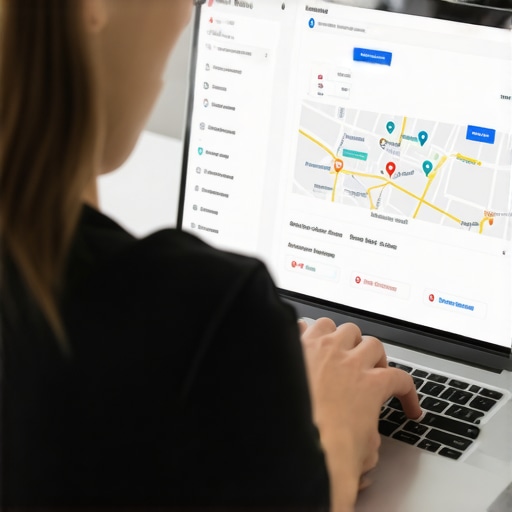
Leverage Citations and Local Signals
Build authoritative citations on reputable directories to boost your local signal strength. Imagine citations as foot traffic guiding Google to your storefront; the more reputable, consistent references you have, the more Google trusts your location. Prioritize industry-specific directories and local chamber listings, ensuring your NAP details match perfectly. Don’t overlook niche platforms where your audience congregates, as these carry more weight. Use effective citation strategies to accelerate this.
Create Hyper-Localized Content and Engagement
Generate content that speaks directly to your community—think events, local news, or customer spotlights. As I experienced a local health fair, posting about it with geotags and targeted keywords resulted in increased local visibility. Encourage reviews and respond to each one promptly, turning satisfied customers into your brand ambassadors. This signals active community involvement, much like word-of-mouth advertising. For innovative ways to harness local content, see these strategies.
Build Local Backlinks and Partnerships
Develop relationships with local bloggers, influencers, and complementary businesses to earn high-quality backlinks. Think of backlinks as endorsements from respected community members—they tell Google your business is trustworthy and relevant. Participating in local sponsorships or joint promotions can generate natural links and social signals. My own experience with a local charity event resulted in backlinks from regional news outlets, which boosted my rankings significantly. More tactics are available at these winning strategies.
Monitor, Adapt, and Outperform Your Competition
Use tools like Google Insights and local SEO trackers to analyze your progress weekly. Set benchmarks for ranking improvements and review your performance against top competitors. When I noticed my rankings plateaued, I implemented “Proximity Hacks,” physically moving promotional efforts closer to high-traffic areas, which reignited my visibility. Remember, local SEO is dynamic—what works today might need refinement tomorrow. Stay agile with insights from these tactics to stay ahead.
Many marketers fall into the trap of oversimplifying local mapping tactics, believing that claiming and optimizing their Google My Business (GMB) profile alone guarantees top rankings. While foundational, this approach often misses critical nuances that can make or break your local map domination. One widespread myth is that consistent NAP citations alone will propel your business to the top. In my experience, this is only part of the story; without engaging with community signals and leveraging advanced map pack tactics, your efforts can plateau. A common mistake is neglecting recent algorithm updates that prioritize user experience and engagement signals, which are crucial for sustained rankings. Avoid thinking that local rankings are static; they evolve, influenced heavily by real-time data and AI-driven spam filters. For example, experts like those at Moz highlight that local SEO rankings depend on a complex interplay of signals—not just citations, but reviews, engagement, and local content quality. Overemphasizing superficial tactics can lead you to ignore these evolving factors. Do you ever get trapped in thinking that more citations equal guaranteed rank? Let me know in the comments! To stay ahead, dive into cornerstone strategies like those outlined in [this comprehensive guide](https://dominateyourlocalmaps.com/the-ultimate-guide-to-google-my-business-rank-elevation), which emphasizes the importance of integrating multiple signals and advanced local map tactics for real domination.
Essential Tools for Sustaining Map Pack Dominance
Maintaining top rankings in local maps requires more than occasional effort; it demands a suite of precise tools that streamline your strategy and provide actionable insights. Personally, I rely heavily on advanced software like BrightLocal and Whitespark, which allow me to monitor citation consistency, review velocity, and local ranking fluctuations with high accuracy. These tools help identify subtle changes in your local signals and alert you to fluctuations before rankings are permanently affected. For instance, BrightLocal’s Citation Tracker provides real-time updates on your citation health, so you can quickly rectify inconsistencies that might hurt your visibility.
Beyond reputation management, I also use SEMrush’s local SEO toolkit to analyze competitors’ ranking keywords, backlinks, and content strategies. This intel allows me to adapt swiftly, leveraging emerging opportunities. Google My Business Insights is indispensable for understanding user engagement trends and search queries specific to your location, empowering you to fine-tune your local content and engagement tactics.
Looking ahead, automation and AI-driven analytics are poised to revolutionize local SEO maintenance. Imagine tools that predict ranking changes based on historical patterns or emerging spam tactics—this predictive capability will be a game-changer. To stay ahead, integrating these advanced tools into your workflow not only saves time but also enhances your strategic precision.
How do I maintain my local map dominance over time?
Consistency is key. Regularly auditing your citations, review feedback, and local content ensures your signals remain strong. Automating routine checks using tools like BrightLocal can free your schedule, allowing you to focus on strategic content and community engagement. Additionally, keeping an eye on competitor movements and algorithm updates via platforms like SEMrush keeps you agile. Remember, the market evolves, and so should your toolkit. For a comprehensive understanding, check out this cornerstone guide which emphasizes integrating multiple signals to sustain your rank.
Start by experimenting with automation plugins or features within these tools—such as setting up regular citation health reports—to identify and address issues proactively. The effort you put into maintaining your signals today will pay dividends in long-term visibility and authority.