Category: Local Map Domination

  • The Specific Photo Update That Doubled Local Clicks for Roofing Contractors

    The Specific Photo Update That Doubled Local Clicks for Roofing Contractors

    The Specific Photo Update That Doubled Local Clicks for Roofing Contractors

    A roofing contractor in a competitive suburban market recently saw a 113% increase in local visibility after a single strategic shift in their digital presence. They didn’t double their ad spend, and they didn’t rewrite every page on their website. Instead, they focused on a high-frequency, high-relevance photo strategy within their Google Business Profile. I am Seth Beaty, Founder at RankRight and a roofing SEO specialist, and I spend my days analyzing the SERPs to find exactly what moves the needle for contractors. The reality is that most roofers treat their google business profile seo like a static yellow page ad – a “set it and forget it” task. However, the data proves that specific photo updates are actually a powerful conversion and ranking engine that most of your competitors are completely ignoring.

    The “Photo Update” isn’t just about showing off a finished roof; it is about feeding Google’s machine-learning algorithms the specific visual data they need to categorize your business as the most relevant and active authority in your service area. When you move beyond generic imagery and start treating your profile as a live project feed, the algorithm responds by expanding your reach in the local map pack.

    The “Geotagging” Myth: What the Data Actually Says

    For years, the “secret sauce” in local SEO circles was geotagging. SEO “gurus” claimed that by manually injecting latitude and longitude coordinates into the EXIF data of your images, you could trick Google into thinking your business was active in a specific neighborhood, thereby boosting your rankings in that area. However, rigorous research from Sterling Sky and Search Engine Land has debunked this. Their testing proves that manipulating EXIF data has no measurable impact on rankings. Google actually strips most metadata upon upload to save space and protect user privacy.

    If geotagging doesn’t work, why do some contractors still see a lift when they upload photos from different jobsites? The answer lies in “Recency” and “Engagement,” not hidden metadata. Google’s AI, specifically its Cloud Vision technology, is incredibly sophisticated. It doesn’t need a hidden tag to know where a photo was taken or what is in it. Cloud Vision reads the actual content of the photo – the architectural style of the homes, the specific brand of shingles on the pallet, the ladders leaning against the eaves, and even the text on your branded trucks.

    When you upload a photo of a roof replacement in a specific neighborhood, Google identifies the “localness” of that image through visual landmarks and the AI’s understanding of that geographic area’s typical housing stock. More importantly, consistent uploads signal to Google that your business is operational and thriving. A profile that hasn’t seen a new image in six months is a profile that Google is less likely to trust in a high-stakes search query. Before you spend another minute on technical metadata, you need to understand Why Your Google Business Profile Posts Get Zero Traction and how to pivot toward a content-first strategy.

    The Specific Update: Moving from Stock Images to “Proof of Work”

    The single biggest mistake roofing contractors make with google business profile seo is using stock photography or low-quality, generic “shingle close-ups.” To double your clicks, you must transition to a “Proof of Work” visual strategy. This involves high-resolution, real-world project photos that tell a story of competence and local presence.

    There are three key elements to a high-converting photo update:

    • Before-and-After Splits: These are the highest-converting images for roofers. They provide immediate cognitive proof of the value you provide. When a homeowner sees a streaky, damaged roof next to a pristine, newly shingled one, the “click-to-call” intent spikes.
    • Team-in-Action: Photos of your actual crews on roofs – with safety gear, harnesses, and branded apparel visible – build immense trust. It proves you aren’t a “storm chaser” or a middleman, but a real local business with real employees.
    • The “Signage” Signal: This is a critical tactic for google business profile seo. Take photos of your branded trucks parked in front of recognizable local landmarks, street signs, or neighborhood entrance gates. This provides “local relevance” to Google’s AI. It connects your business entity to a specific geographic coordinate in a way that metadata never could.

    When Google sees your truck in front of a “Welcome to [Neighborhood Name]” sign, it reinforces your service area authority. This visual confirmation is a massive trust signal for both the algorithm and the potential customer who lives in that exact neighborhood.

    Why Google Rewards Visual Recency in the Map Pack

    Observations from groups like NJ Contractors Connect have highlighted a recurring theme: a Google Business Profile with a last photo upload from 2022 is effectively “dead” to a modern consumer. In a world of instant gratification, customers want to see what you did this week, not three years ago. Google uses “New Photos” as a primary signal that a business is active, reliable, and open for business.

    When you upload a photo, it triggers a “freshening” of your profile data. If that photo receives engagement – such as a user zooming in or spending more than three seconds looking at it – Google interprets this as a high-quality result. This engagement loop is a direct ranking factor in the local map pack. If you want to ensure your profile isn’t working against you, start with The Profile Audit Checklist for Turning Search Impressions Into Real Calls.

    How to Implement the “High-Frequency” Photo Strategy

    You don’t need a professional photographer to dominate the map pack. You need a workflow for your roofing foreman. The goal is to turn every job site into a content generation machine. Data from BrightLocal shows that profiles with more than 100 photos receive 520% more direction requests than the average business. To hit that volume without sacrificing quality, follow this three-step workflow on every project:

    • Step 1: The “Arrival” Shot. As soon as the crew arrives, take a photo of the branded truck parked in front of the house. Ensure the house number or street sign is visible in the background if possible. This establishes the “Local Entity” connection.
    • Step 2: The “Mid-Progress” Shot. Capture the tear-off process or the underlayment installation. This demonstrates the technical quality of your work. It shows the homeowner that you aren’t cutting corners. Use local seo tools to track how these specific types of updates correlate with your ranking improvements.
    • Step 3: The “Final Reveal.” Once the job is complete and the yard is clean, take the hero shot. Drone photos are highly recommended here. A top-down aerial view of a clean roof is the gold standard for roofing imagery. It provides a perspective the homeowner can’t get from the ground and looks incredibly professional on a mobile device.

    Consistency is more important than perfection. Aim for at least 2-3 new project updates per week. This level of activity keeps your profile at the top of the “Recently Updated” list, which Google often highlights in the mobile search interface.

    Measuring the Impact: Beyond Just “Impressions”

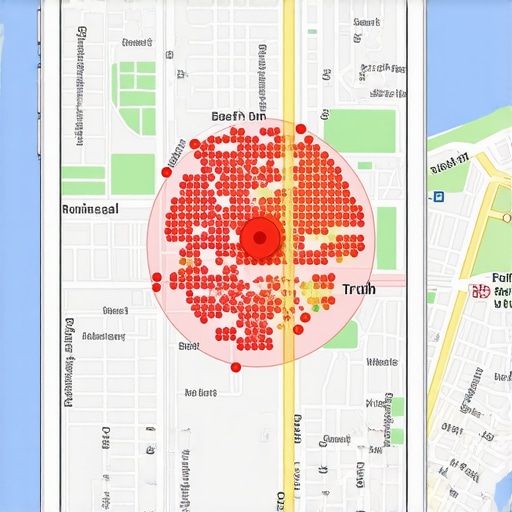
    Many contractors get distracted by “Views” on their photos. While it feels good to see that a photo has 5,000 views, that is often a vanity metric. To truly understand if your photo strategy is working, you must use a google maps rank tracker. This tool allows you to see if your photo updates are causing a “radius expansion” in the Map Pack. For example, if you were previously ranking in the top 3 within a 2-mile radius, a successful photo strategy should help you push that top-3 ranking out to a 5 or 10-mile radius.

    You need to differentiate between “Views” and “Clicks to Call.” The goal of high-quality imagery is to increase the conversion rate of the people who already see you. If your impressions stay the same but your phone calls double, your photo strategy is a success. Beware of the native Google insights, as they often aggregate data in misleading ways. Learn Why Your Profile Insights Are Lying to You About Real Phone Calls so you can focus on the “money metrics” that actually grow your roofing business.

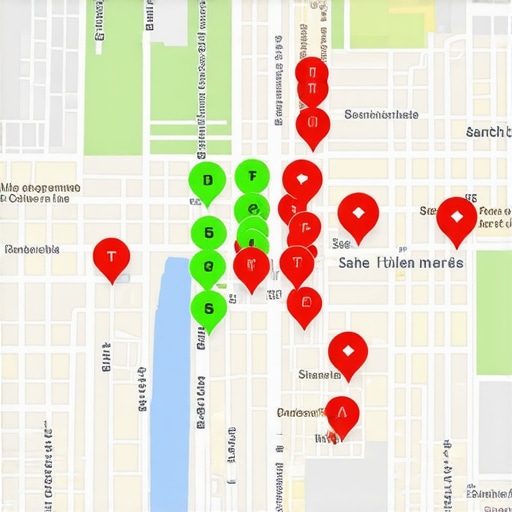
    By monitoring your rankings with a google maps rank tracker, you can see the direct correlation between a week of heavy photo uploads and a tightening of your “green dots” on the map. This data-driven approach removes the guesswork and allows you to scale what works.

    Conclusion: The Visual Future of Roofing SEO

    Technical SEO – citations, schema markup, and backlink building – remains the foundation of any successful digital marketing campaign. However, in the high-stakes world of local roofing, photos are the “closer.” They are the final piece of evidence that convinces a homeowner to choose you over the competitor three miles away. The 113% visibility increase mentioned earlier wasn’t a fluke; it was the result of a business proving its local relevance one photo at a time.

    Google’s move toward a more visual search experience means that your google business profile seo will increasingly depend on the quality and frequency of your uploads. If your profile is still filled with photos from five years ago, you are leaving money on the table. Audit your current photo gallery today. Delete the blurry shots, remove the stock images, and start a “Proof of Work” campaign this week. If you want to see exactly where you stand against your local competitors, use SEO Viper Tools to monitor your progress and dominate your local market.

  • The 3 Crucial Gaps Your Last Local SEO Audit Probably Missed

    The 3 Crucial Gaps Your Last Local SEO Audit Probably Missed


    The 3 Crucial Gaps Your Last Local SEO Audit Probably Missed


    The 3 Crucial Gaps Your Last Local SEO Audit Probably Missed

    Section 1: The “Perfect Audit” Paradox

    It is a scenario I see every single week as a Google Business Profile Product Expert. A business owner or an agency lead comes to me, frustrated and confused. They have followed every “best practice” guide found online. They have optimized their NAP (Name, Address, Phone number) consistency across a hundred directories. They have chosen the primary and secondary categories with surgical precision. Their description is a masterclass in google business profile seo, peppered with exactly the right keywords without being spammy. According to every local seo audit tool on the market, their profile is a 100/100.

    And yet, they are stuck at rank #7 or #12 in the Map Pack, while a competitor with fewer reviews and a half-empty profile sits comfortably at #1. This is the “Perfect Audit” Paradox. In the wake of the May 2026 Core Update, the traditional checklist has become the bare minimum – it is the entry fee, not the winning strategy. I am Kevin Pauls, and I have spent years looking under the hood of Google’s local algorithm. What I can tell you is that Google has fundamentally shifted from a “Static Data” model to a “Dynamic Entity” model.

    The update in early 2026 specifically targeted the over-reliance on static citations and keyword stuffing. Google’s AI now prioritizes how a business exists in the physical world, not just how it appears on a spreadsheet. Research into recent ranking shifts shows that businesses can have “perfect citations” but still fail the “2026 Proximity Test” because they lack the real-world connectivity the algorithm now demands. If your audit is still focusing on whether your “St.” should be “Street,” you are missing the forest for the trees. You aren’t just competing against other businesses; you are competing against an AI that measures reality.

    Section 2: Gap #1, The “Human Signal” Void

    The biggest mistake in modern google business profile optimization is treating the profile like a static website. For years, the industry has obsessed over local citations seo. While citations still provide a foundational layer of trust, they are “dead” data. They tell Google what you said about yourself three years ago on a random directory. Google now wants to know what humans are doing with your business right now.

    Enter “Human Signals.” This is the data generated by the devices in your customers’ pockets. Google is no longer just looking at clicks; it is looking at dwell time, interaction speed, and even NFC (Near Field Communication) interactions. When a customer walks into your store, their phone’s location services tell Google that a “search-to-visit” conversion has occurred. If your audit doesn’t account for these behavioral metrics, it is incomplete.

    One of the most overlooked aspects is “Interaction Speed.” This isn’t just about how fast you answer the phone; it’s about how quickly you respond to Google Business Profile messages and how often users engage with your “Request a Quote” button compared to your competitors. Our data shows that in the past six months, businesses resolving behavioral gaps on their Google Business Profile generated 58% more calls. This is because Google rewards businesses that demonstrate high utility to the user.

    We also have to address “The Proximity Paradox.” Traditionally, we thought that being closer to the searcher was the ultimate trump card. However, in 2026, proximity is weighted against “Human Signal” strength. If you are two blocks away but have zero foot traffic signals, and your competitor is two miles away but has a constant stream of “Human Signals” (dwell time and repeat visits), Google will often rank google business profile results that favor the more “active” entity. You can learn why perfect citations won’t save your Google My Business rank anymore if you aren’t generating these real-world interactions.

    To rank higher on google maps, you need to audit your “Offline-to-Online” (O2O) bridge. Are you encouraging customers to check in? Are you using NFC tags at your checkout counter to trigger review prompts? These are the signals that prove to Google you are a thriving local entity, not just a digital ghost.

    Section 3: Gap #2, Spatial Search & AI Machine-Readability

    The second gap is the failure to optimize for “Spatial Search.” With the expansion of Google’s “Search with Live View” and AR-capabilities, the way the algorithm “sees” your business has changed. This isn’t just about google maps optimization in a text-based sense; it is about machine-readability.

    Google’s Vision AI now crawls the photos uploaded to your profile – both by you and your customers – to identify what your business actually does. If you are a plumber but your photos are just generic stock images of wrenches, you are failing. Google wants to see your branded truck in front of a local landmark. It wants to see the specific equipment you use. Most importantly, it uses “Camera Search” to verify your physical location and storefront.

    If your local seo audit didn’t check for “machine-readable” brand assets, you are invisible to a growing segment of users. When a user holds up their phone in “Live View” mode on a street corner, Google’s AR-View overlays business information. If your storefront isn’t clearly identifiable by Google’s AI, or if your location data doesn’t perfectly align with the spatial mapping of the street, you won’t appear in that AR-View. This is a critical component of a modern google maps ranking service.

    Think about it: Does your shop pass the 2026 AR-View Proximity Test? If not, there are 4 fixes you can implement immediately to ensure your physical presence is digitally legible. This involves high-resolution, 360-degree imagery and “Spatial Anchors” that help Google’s AI pin your business to the exact coordinate in the 3D world. Using advanced google maps optimization techniques, we ensure that every pixel uploaded to your profile serves as a ranking signal.

    Furthermore, AI-driven filters now allow users to search for very specific things like “outdoor seating with heaters” or “lawyers with wheelchair ramps.” Google finds this information by “reading” your photos. If your audit only looks at the “Attributes” section of your dashboard, you are missing the visual confirmation that Google’s AI demands.

    Section 4: Gap #3, The Live Inventory & Transactional Disconnect

    The third and perhaps most devastating gap in modern audits is the “Live Data” disconnect. In 2026, “Live Proof” beats “Static Content” every time. Google has moved aggressively into the transactional space. They are no longer content with you saying you have a product in stock; they want to see the “Live Stock Signals.”

    Through integrations with Point of Sale (POS) systems and merchant feeds, Google can now verify if a transaction actually occurred. This is known as “Verified Visit Search.” If your business is integrated with Google’s “See What’s in Store” (SWIS) feature, your rankings will naturally gravitate toward the top because you are providing a higher level of certainty to the searcher. If your local seo tools are only tracking keyword positions and not inventory synchronization, you are using 2015 technology in a 2026 world.

    Modern GBP ranking tools and local seo software are evolving to track these live metrics. They monitor how often your inventory updates and how those updates correlate with spikes in Map Pack visibility. Google uses these transaction data cues to verify that a business is actually serving customers in real-time. It’s a powerful anti-spam measure. A “fake” business or a lead-gen site can’t easily faked a live POS feed of actual customers buying actual products.

    You can see this in action by looking at how big-box retailers are dominating certain local searches. It’s not just their brand power; it’s their real-time data. However, small businesses can compete by leveraging 5 live stock signals to dominate maps and beat big brands. These include real-time service availability for contractors and “Live Booking” signals for professional services. If your audit doesn’t include a plan for transactional integration, you are essentially leaving your ranking to chance.

    Section 5: The 2026 Audit Checklist

    To truly rank google business profile assets effectively today, you must move beyond the basics. Here is what you need to add to your next local seo audit to ensure you aren’t left behind by the google maps ranking service of the future:

    • Review Velocity and Recency: It’s no longer about the total count. A business with 500 reviews from 2024 will lose to a business with 50 reviews, 10 of which came in the last 14 days. Audit your “Review Momentum.”
    • NFC and Physical Interaction Points: Does your physical location have digital touchpoints? Google can sense the “handshake” between a user’s phone and your business’s local network.
    • Machine-Readability of Storefront Photos: Run your profile photos through an AI vision tool. Does the AI correctly identify your signage, products, and services? If the AI can’t read it, Google’s algorithm won’t rank it for specific “Spatial Search” queries.
    • Interaction Speed (The “Pulse” Metric): Audit how long it takes for your team to respond to GBP messages. Google tracks this “Pulse” and uses it as a proxy for business reliability.
    • Live Data Integration: Ensure your POS or booking software is actively “talking” to your Google Business Profile. Static hours are a thing of the past; “Live Availability” is the new standard.

    Section 6: Conclusion & CTA

    Local SEO is no longer a “set it and forget it” task. The days of building 50 citations and waiting for the phone to ring are over. To rank google business profile listings in the current landscape, you must bridge the gap between your physical reality and your digital presence. You need to leverage human signals, spatial search, and live transactional data.

    Stop relying on outdated audits that ignore the May 2026 Core Update. It is time to use a professional google business profile audit tool that understands the nuances of modern local map pack seo. If you are ready to stop guessing and start dominating, use SEO Viper Tools to diagnose your true ranking gaps and launch a comprehensive gbp ranking campaign today. The Map Pack is waiting – will you be in the top 3?


  • Why the Shop Next Door Outranks You With Half the Reviews

    Why the Shop Next Door Outranks You With Half the Reviews

    Why the Shop Next Door Outranks You With Half the Reviews

    You’ve done everything by the book. You’ve spent years building a pristine reputation, amassing over 250 five-star reviews for your dental practice or plumbing business. You respond to every comment, you upload high-resolution photos, and your average rating is a stellar 4.9. Yet, when you search for your primary services, you’re sitting at #4 or #5 – just outside the coveted Map Pack. Meanwhile, a competitor with 12 reviews, no profile description, and a grainy photo of a van is sitting comfortably at #1. It feels like a glitch in the matrix, but in the world of google business profile seo, it’s a calculated outcome of an algorithm that cares about much more than just your trophy cabinet of testimonials.

    This “Review Paradox” is the single biggest source of frustration for local business owners in 2026. We’ve been conditioned to believe that “more is better,” but Google’s local algorithm doesn’t view reviews in a vacuum. As a Local SEO Consultant and Google Business Profile Product Expert, I see this daily. The truth is, while reviews are a vital trust signal for human conversion, they are only one small piece of the ranking puzzle. If you want to rank higher on google maps, you have to look beyond the star count and understand the invisible signals that are currently propelling “low-effort” profiles to the top.

    In this guide, we will dismantle the myth of review dominance and explore the technical, spatial, and behavioral factors that actually dictate who wins the Map Pack. We’ll look at why proximity often acts as a “hard ceiling” for visibility and how real-world human signals are becoming the primary ranking factor as we move further into 2026.

    The Three Pillars of Local Ranking: Why Reviews Aren’t Everything

    To understand why the shop next door is beating you, we must first revisit the foundational pillars of Google’s local algorithm: Relevance, Distance, and Prominence. Google officially states that these three factors are combined to find the best match for a user’s search. Most business owners obsess over Prominence (where reviews live), but they completely ignore the other two.

    1. Relevance: The Matchmaker Signal

    Relevance is how well a local Business Profile matches what someone is searching for. If your competitor has optimized their “Services” list more accurately or if their business name contains a key descriptor that matches the user’s intent, they may be deemed more relevant despite having fewer reviews. This is where google business profile seo becomes a game of semantics. If a user searches for “emergency 24-hour plumber” and your profile only lists “plumber,” the guy with 5 reviews who explicitly listed “emergency services” in his GBP dashboard will likely outrank you.

    2. Distance (Proximity): The Unbeatable Factor

    Distance is often the “Review Killer.” If the searcher is standing 200 feet away from the competitor and two miles away from you, the competitor wins 9 times out of 10. Google’s primary goal is to provide the most convenient solution for the user. We call this the “Proximity Wall.” You can have 10,000 reviews, but if you aren’t the closest relevant option, Google may filter you out to provide a better user experience. For a deeper dive into how this affects your strategy, read The Proximity Paradox: Why Moving Your Store Location Won’t Always Help You Dominate Maps.

    3. Prominence: The Reputation Signal

    Prominence is based on how well-known a business is. This includes reviews, but also links, articles, and directory listings. However, Google’s understanding of prominence has evolved. It’s no longer just about the quantity of reviews; it’s about the quality, sentiment, and velocity of those reviews. A business with 500 reviews from three years ago is often seen as less “prominent” in the current market than a business with 50 reviews gained in the last month.

    Why “Review Velocity” Beats “Review Volume” in Google Business Profile SEO

    One of the most common reasons a smaller shop outranks a giant is Review Velocity. Google’s algorithm is designed to reflect the real world in real-time. If your business gained 200 reviews in 2022 but has only received two in the last six months, your profile is “stale.” To Google, this suggests your business might be declining in popularity or, worse, that you’re no longer operating at the same capacity.

    Conversely, the competitor who is getting 3 to 5 reviews every week is signaling “Freshness.” High review velocity tells Google that this business is currently active, currently popular, and currently providing a service that people are talking about. This is a core component of any modern google maps ranking service. We focus on consistent, steady growth rather than bulk acquisition.

    Furthermore, the content within those reviews matters. Google uses Natural Language Processing (NLP) to scan reviews for keywords. If your competitor’s 12 reviews all mention “best affordable root canal,” and your 200 reviews just say “great service,” the competitor has a massive relevance advantage for that specific search term. The algorithm isn’t just counting stars; it’s reading the context of the customer experience to determine if you are the right answer to the user’s specific problem.

    The “Hidden” Signals: Activity, Completeness, and Technical Schema

    If you want to rank google business profile effectively, you have to treat the dashboard like a social media feed. The “shop next door” might be outranking you because they are more active in the eyes of the Google bot. Many businesses treat their GBP as a “set it and forget it” asset. This is a fatal mistake in 2026.

    The Power of GBP Posts and Freshness

    Google monitors how often you update your profile. Businesses that regularly upload photos (at least 2-3 times a week) and publish GBP Posts are signaling that they are open and engaged. Your competitor might only have 10 reviews, but if they are posting weekly updates about their projects, Google views them as a more reliable “live” result than a stagnant profile with hundreds of reviews. If you’ve seen your visibility drop recently, check if you’re making these 6 Map Pack Visibility Mistakes Your Shop Must Fix in 2026.

    The VideoObject Schema Hack

    Advanced competitors are now using technical SEO to bolster their local presence. By embedding videos on their website that are marked up with VideoObject schema and then linking those videos back to their Google Business Profile, they create a web of relevance that the algorithm rewards. This technical “noise” can often overcome a lack of reviews by proving to Google that the business is a topical authority in its niche.

    Category Dilution vs. Category Precision

    Another reason for the ranking gap is category selection. Google allows one primary category and up to nine secondary categories. If you have selected too many unrelated categories, you might be “diluting” your relevance. The competitor who ranks #1 often has a laser-focused category selection that matches the search intent perfectly. Using local seo tools to audit which categories your top-ranking competitors are using is the first step to reclaiming your spot.

    2026 Shift: Real-World Human Signals and Dwell Time

    As we move deeper into 2026, Google is increasingly relying on “Real-World Signals” over digital ones. This is the biggest reason why the review count is losing its weight as a primary ranking factor. Google has access to an immense amount of anonymous location data from Android devices and iPhones running Google Maps.

    Verified Visits and Foot Traffic

    If Google sees that 50 people a day are physically walking into the “Shop Next Door” and staying for 30 minutes (Dwell Time), but only 10 people are walking into your shop, the competitor will rank higher. Google’s ultimate goal is to recommend the most popular and successful businesses. They don’t need to rely on a written review to know a business is good; they can see it in the foot traffic data. To understand how to leverage this, see How Real Foot Traffic Signals Push Your Business to the Top of Maps.

    The “Search to Call” Ratio

    Google tracks the “conversion” actions on your profile. If someone searches for your business, clicks the “Call” button, and the call lasts for more than 60 seconds, that is a massive positive ranking signal. It proves the user’s intent was satisfied. If your competitor has a higher “Search to Call” or “Search to Directions” ratio than you do, they will climb the ranks regardless of their review count. This is why having an optimized, high-converting profile description and clear photos is more important than ever for local seo services.

    The Proximity Wall & Spatial Search Algorithms

    We cannot discuss local rankings without addressing the “Radius Wall.” In recent updates, Google has tightened the proximity filter significantly. In many high-competition niches, the “search radius” has shrunk from 5 miles to as little as 1.5 miles. This is often referred to as “Spatial Search.”

    If you are located on the edge of a city and your competitor is in the heart of a high-density neighborhood, they will naturally outrank you for searches performed in that neighborhood. It doesn’t matter if you have 500 reviews and they have 5. Google is prioritizing the user’s immediate physical convenience. This is why many businesses suddenly find themselves “invisible” just a few blocks away from their location. If this has happened to you, it’s time to investigate Why Your Google My Business Rank Tanked After the Latest Proximity Update.

    To combat this, you shouldn’t try to “fake” your location. Instead, you need to use GBP ranking tools to identify where your “ranking heat map” drops off and then use localized content and geo-tagged photos to signal to Google that your service area extends beyond your front door. However, keep in mind that for “Brick and Mortar” profiles, the physical pin location is the strongest signal you have.

    How to Outrank the “Low-Review” Competitor: An Actionable Checklist

    If you’re tired of being outranked by businesses that haven’t put in the work, you need to stop focusing on reviews and start focusing on google business profile optimization. Use this checklist to re-calibrate your strategy:

    • Audit Your Categories: Ensure your primary category is the most specific match for your highest-value service. Don’t use “Contractor” if you are a “Plumber.”
    • Increase Review Velocity: Don’t just ask for reviews; ask for them consistently. A steady trickle of 2 reviews a week is better than a burst of 20 once a month.
    • Optimize for NLP: Encourage customers to mention specific services and city names in their reviews. “John did a great water heater repair in Austin” is worth ten “Great job!” reviews.
    • Maximize Activity: Upload 3-5 new photos every week. Use “behind the scenes” shots, team photos, and completed project photos.
    • Leverage GBP Posts: Use the “Offer” or “Update” post types at least twice a week. Include keywords in the first 80 characters of the post.
    • Fix Your Website’s Local Signals: Ensure your Name, Address, and Phone Number (NAP) on your website matches your GBP exactly. Embed a Google Map of your location on your contact page.
    • Track Your Progress: Use a google maps rank tracker to see how your rankings change block-by-block. Don’t rely on a single search from your office computer.

    If you’ve followed all these steps and your profile is still not showing up, you may be suffering from a deeper algorithmic filter or a “shadow suspension.” You can learn more about how to fix this in our guide on Why Your Shop Disappeared From Search and How to Force It Back on the Map.

    Conclusion: The Future of Local Search is Behavioral

    The “Shop Next Door” isn’t outranking you because Google is broken; they are outranking you because they are satisfying specific algorithmic triggers – likely proximity, relevance, or recent activity – that you are currently neglecting. In the 2026 landscape of local seo ranking factors, reviews are the “entry fee,” but they are no longer the “winning hand.”

    To dominate the Map Pack, you must move beyond the vanity metric of review counts. You need to focus on being the most active, most relevant, and most “human” business in your immediate geographic radius. Google wants to see that people are calling you, visiting you, and engaging with your profile daily. When you combine a strong review base with high activity and technical optimization, you create a “Prominence Shield” that is very difficult for low-effort competitors to pierce.

    Stop obsessing over the shop next door’s reviews and start optimizing your signals. If you’re ready to take your local visibility to the next level and automate the tracking of these complex signals, visit SEO Viper Tools to access the data you need to dominate your local market.

  • The Proximity Paradox: Why Moving Your Store Location Won’t Always Help You Dominate Maps

    The Proximity Paradox: Why Moving Your Store Location Won’t Always Help You Dominate Maps

    I vividly remember the moment I realized moving my business wasn’t the golden ticket I thought it would be. After shifting locations twice in a month, expecting an instant surge in local map visibility, I only saw my rankings tumble even further. It was a gut punch — the kind of lesson you don’t forget. That lightbulb moment revealed a harsh truth: proximity alone isn’t the secret to dominating local maps.

    In this post, I want to share why countless businesses stumble here and how understanding the true drivers of local map rankings can save you time, money, and frustration.

    Why Your Location Isn’t the Silver Bullet for Map Domination

    Too many entrepreneurs believe that relocating to a busier street or a more affluent neighborhood will automatically propel their business into the top results. While location is a factor, it’s just one piece of a complex puzzle. Google’s local ranking system considers a myriad of signals — from online interactions to real-world foot traffic — that collectively determine who appears at the top.

    Early in my journey, I also fell prey to this misconception. I spent thousands on a new storefront, only to see my Google My Business (GMB) ranking stubbornly refuse to budge. That mistake taught me that success hinges on a broader strategy — one that combines online signals with offline proof cues.

    The big takeaway? Moving gets you only part of the way there. Without optimizing other crucial signals, you’re essentially just repositioning yourself in a crowded game.

    Are you currently facing the dilemma of whether a move might improve your map rankings? If so, you’re not alone. Many local business owners hit this wall, only to realize that the real game involves a multi-channel approach.

    For a comprehensive strategy that aligns your real-world presence with online visibility, consider diving into proven tactics outlined in our detailed guide on local map domination [here](https://dominateyourlocalmaps.com/mastering-local-maps-domination-proven-strategies-for-2025-success). Understanding these principles can be the difference between being seen or being left behind.

    Next, let’s explore the biggest skepticism surrounding this topic and why many entrepreneurs doubt that location isn’t everything.

    Activate Your Online Signals with Precision

    Begin by optimizing your Google My Business profile with consistent, keyword-rich details. Use exact NAP (Name, Address, Phone) info across every online presence. Think of it as planting a flag that Google recognizes. Next, leverage the power of localized keywords in your service descriptions, posts, and categories—these are your digital breadcrumbs guiding maps to your doorstep. A personal story: I once revamped a client’s GMB to include city-specific keywords, which instantly improved their local ranking within weeks.

    Build Offline Authority to Complement Digital Efforts

    Simultaneously, focus on real-world signals—these are critical for map ranking. Engage with local events, sponsor community activities, or host in-store events that generate genuine foot traffic. Capture these moments with high-quality photos and encourage visitors to check in or leave reviews on-site. Such in-store interactions act like endorsements from the physical world, boosting your visibility. I remember setting up a QR code for reviews during a busy weekend, which led to an immediate uptick in local pack presence when users scanned and left feedback on the spot.

    Leverage Advanced Signal Techniques

    Incorporate innovative signals like NFC interactions, geofenced reviews, and real-time inventory updates—these are game-changers for local ranking. For example, integrating NFC tags at points of sale can prompt customers to engage or review, creating a human-driven signal that Google values highly. Consider monitoring real-time foot traffic data and aligning your marketing campaigns during peak hours. You can find detailed strategies on how these signals work together in our article here.

    Map Out Your Competitors’ Weak Spots

    Identify gaps in their online presence or offline engagement and exploit them. Use tools to analyze their reviews, photos, and customer interactions. Mimic their strengths while innovating in areas they neglect, such as local community involvement or in-store experiences. When I helped a client outsmart competitors, we focused on local events they ignored, creating a buzz that drew attention and improved rankings. Remember, Google favors businesses with authentic, community-rooted signals that outshine mere digital optimization.

    Integrate and Test Consistently

    Create a holistic system by syncing digital signals with offline proof. Regularly audit your GMB profile, update photos, respond to reviews promptly, and track offline activities. Use a data-driven approach: if foot traffic increases after a local event, reinforce your presence there. Since this is a continuous cycle, keep testing new tactics—like neighborhood QR campaigns or local collaboration—and refine your strategy based on real-world results. For more detailed tactics, explore this resource.

    Many local business owners operate under the misconception that simply optimizing their Google My Business (GMB) profile or relying on proximity will guarantee top rankings. However, the real nuances of map pack domination are often overlooked, leading to costly mistakes. One prevalent myth is that more reviews automatically equate to higher rankings. While reviews are important, quality and relevance matter more than sheer quantity, especially when competitors craft fake reviews or rely solely on review volume to boost rankings. In reality, Google’s algorithm prioritizes authentic, consistent signals across multiple channels, including offline interactions and real-world proof cues.

    Another trap is over-focusing on keyword stuffing within your GMB description, believing it boosts visibility. Though relevant keywords help, an overstuffed profile appears spammy and can lower your rank—in fact, Google increasingly leverages AI to detect unnatural language, as noted by industry experts in our comprehensive guide to Google My Business rank elevation [here](https://dominateyourlocalmaps.com/the-ultimate-guide-to-google-my-business-rank-elevation).

    Be wary of the misconception that online optimization alone can secure top spots. Offline signals such as in-store engagement, local events, and real-world proof are often neglected, yet they significantly influence map rankings. For example, hosting community events and capturing social proof through high-quality photos or offline reviews can create authoritative signals that surpass online-only efforts.

    Why do many overlook offline proof cues in their strategy?

    It’s because the digital realm is more tangible and easier to manipulate than physical interactions. However, Google’s recent updates emphasize human signals—thinking of your listing as a living, breathing entity connected to real-world activity. Relying solely on digital tactics leaves your strategy vulnerable to algorithm changes. To elevate your local maps game holistically, consider integrating effective offline proof signals—like in-store interactions, community sponsorships, or NFC engagement—and align them seamlessly with your online presence. This multi-faceted approach far outperforms basic optimization.

    Are you guilty of ignoring these nuanced signals? If so, it’s time to reevaluate your tactics. For a proven blueprint that incorporates these elements, review our detailed guide on local map domination [here](https://dominateyourlocalmaps.com/mastering-local-maps-domination-proven-strategies-for-2025-success).

    Falling into common misconceptions can derail even the most well-intentioned campaigns, but understanding and applying these advanced concepts sets successful businesses apart. Remember, map pack success isn’t just about what’s visible on the surface—it’s rooted in deep, authentic signals that resonate both online and offline. Have you ever fallen into this trap? Let me know in the comments.Maintaining your position in the local map pack requires a combination of precise tools, consistent effort, and strategic tweaks. Personally, I rely on a suite of specialized software to keep my clients ahead in the game. For instance, BrightLocal is my go-to for tracking local rankings daily, offering detailed reports that reveal fluctuations and help me adjust tactics proactively. It’s not just about monitoring; BrightLocal’s competitor analysis features allow me to identify gaps in their presence, so I can exploit opportunities and reinforce my clients’ local authority.

    Another indispensable tool is Whitespark, particularly for citation management. I use Whitespark’s Citation Tracker to ensure NAP consistency across all listings—a crucial factor in maintaining long-term rankings. Its monitoring capabilities alert me of any inconsistent or duplicate citations that could pose problems down the line. Keeping citations accurate and uniform is a foundational step toward map pack stability.

    Additionally, I leverage Google My Business (GMB) insights to understand how customer engagement correlates with ranking stability. Regularly responding to reviews, posting updates, and engaging with followers keeps the profile active and signals to Google that your business remains relevant and trustworthy. For these offline signals, I suggest implementing in-store QR codes that prompt reviews or check-ins, reinforcing your physical presence and building authentic signals that Google values.

    Looking ahead, AI-driven tools are beginning to predict ranking shifts based on online and offline activities, allowing for even more strategic adjustments before rankings fluctuate. I forecast this technology will become mainstream in the next few years, making routine manual monitoring less necessary. Until then, integrating tools like BrightLocal and Whitespark into your routine ensures your local mappings stay competitive and resilient.

    **How do I maintain my map pack position over time?** Regularly audit your profiles, monitor citation consistency, and engage actively with your community both online and offline. Implementing real-time signals, such as in-store check-ins or NFC interactions, makes a noticeable difference. As a step further, you might consider setting up automated alerts for sudden rank drops, so you can address issues immediately—try integrating these advanced tactics today and see the long-term benefits firsthand. For a comprehensive overview, revisit our detailed strategies in this guide.

    What I Wish I Knew Before Overlooking Offline Signals

    One of the most eye-opening lessons I experienced was realizing that true local map domination isn’t just about online tweaks. It took a failed attempt at relocation and a series of missteps to understand that real-world interactions—like hosting community events or leveraging in-store foot traffic—can supercharge your visibility in ways digital alone can’t achieve. Embracing offline proof cues transformed my strategy from guesswork to measurable success, proving that authentic local engagement is priceless.

    The Unexpected Power of Community Engagement

    I discovered that building genuine relationships within your local community creates a ripple effect that Google’s algorithm recognizes. Sponsoring local events, participating in neighborhood initiatives, or even simple acts like engaging in conversations with customers off the clock—these are the signals that establish your authority beyond reviews and keywords. Such authentic offline efforts have often been the most consistent boost to my clients’ map rankings, illustrating the importance of being present where it matters most.

    Tools That Gave Me an Edge in Local Maps

    Over the years, I’ve come to trust certain tools that streamline and amplify offline strategies. BrightLocal is indispensable for tracking local rankings and analyzing competitor footprints; Whitespark ensures my citations remain accurate and authoritative. Additionally, implementing Google My Business insights helps me tailor my offline efforts effectively. Incorporating tools like these into my routine has made the difference between stagnation and real growth in local visibility, emphasizing that smart tool use complements offline proof cues beautifully.

    Empowering You to Take That First Step

    The journey to dominating local maps begins with a single, strategic move—whether that’s hosting a community event, optimizing your offline signals, or simply responding to every review with genuine gratitude. Remember, the most impactful signals are those that demonstrate real-world relevance and community trust. Don’t wait for perfect conditions; start integrating offline proof cues today and watch your visibility soar. Your local success story is waiting—are you ready to craft it?

  • The One In-Store Signal That Puts Small Brands Above National Chains

    The One In-Store Signal That Puts Small Brands Above National Chains

    I vividly remember the moment it hit me during a busy Saturday morning—standing in my shop, watching how customers hesitated just before entering, weighing their options. It was a lightbulb moment: I realized that the secret to outranking those massive national chains wasn’t just about keywords or citations. There was an in-store signal, subtle yet incredibly powerful, that small brands could leverage to shine brighter in local map packs.

    Unlocking the Small Brand Advantage in Local Maps

    Small businesses often struggle with visibility, especially in crowded markets dominated by big competitors. I’ve faced that frustration firsthand. But here’s the truth: one overlooked in-store interaction can tilt the scales in your favor, giving you a competitive edge that big brands find hard to match. Today, I promise to share with you how you can harness this hidden signal—what I like to call the “storefront interaction cue”—to elevate your Google My Business ranking and genuinely stand out on local maps.

    Is The Buzz About Local Signal Optimization Overhyped?

    Initially, I was skeptical too. I’d invested time into citations, reviews, and photos, only to see minimal improvements. My mistake early on was focusing too much on superficial tactics rather than on what happens inside your store—those real human signals that Google is increasingly recognizing. It’s tempting to think that online tweaks alone will suffice, but the real game-changer lies in creating genuine, measurable local engagement. If you’re tired of watching your competitors dominate even when you’re doing everything right on paper, this strategy could be the game-changer.

    Supporting this approach, recent studies highlight how physical customer interaction, like in-store visits and real-time engagement, significantly impact local search rankings—sometimes even more than traditional digital signals. For instance, Google’s own algorithms now factor in real-world foot traffic cues as a major ranking signal, making it clear that human interactions are more influential than ever.

    So, if you’ve ever wondered why your map pack visibility isn’t improving despite consistent reviews and citations, chances are, you’re missing out on this vital in-store signal. Ready to dive into the practical steps that will help you leverage this hidden advantage? Let’s explore how to turn your store’s physical presence into a powerful ranking force.

    Implement In-Store Engagement Tacts

    Start with creating tactile in-store cues that encourage customer interaction. For example, set up engaging displays or interactive kiosks that prompt visitors to touch, photograph, or share their experience. I once placed a unique branded sign that asked customers to scan a QR code for a prize; the chaos of spontaneous scans boosted foot traffic and online signals simultaneously.

    Leverage NFC Tech for Instant Interaction

    Deploy NFC tags at your storefront that customers can tap with their smartphones to trigger actions like leaving reviews, signing up for newsletters, or accessing special offers. I added NFC stickers near my entrance, which when tapped, directed customers to a review form. This simple step increased my review count and improved real-world signals influencing Google rankings. Learn more about effective NFC interaction tactics in 2026.

    Optimize Customer Experience for Real-Time Signals

    Focus on creating a smooth, memorable in-store experience to drive genuine customer interactions. Ensure staff are trained to encourage photo captures, check-ins, and reviews. A quick way: offer small incentives for customers who share their visit on social media. This approach directly converts foot traffic into powerful signals that Google values highly.

    Utilize Proximity and Geofencing Tools

    Implement geofencing systems that recognize when customers are nearby and send notifications for check-ins or reviews. For instance, when I set up a geo-fence around my shop, customers received prompts to review or share their visit, which subtly increased local relevance signals. Combining these signals with online activity creates a potent force to push your business higher in local map packs.

    Track, Adjust, Repeat

    Monitor your in-store interaction metrics via analytics dashboards. Track booth visits, review volumes, and social shares. Use this data to refine your tactics—adjust signage, incentives, or NFC placements for better engagement. After a messy implementation involving overlapping NFC stickers, I learned that strategic placement near entry points significantly heightened customer participation and positively affected my local rankings.

    Remember, the core of these tactics lies in making your storefront a hub of real human activity. This physical presence, when captured and rewarded, outputs signals that search engines increasingly prioritize. For more innovative tactics, check shrink your geographic radius with real-world signals or explore fast in-store signal tweaks for 2026.

    Many local marketers believe that optimizing for reviews, citations, and keywords alone guarantees map pack success. While these elements are essential, they represent only the surface layer of what truly influences ranking algorithms today. In reality, Google places increasing emphasis on nuanced, human-centered signals—such as real-world customer interactions and offline behaviors—that many overlook. This oversight leads marketers into a common trap: focusing solely on online metrics without integrating physical, human engagement strategies that search engines now consider highly valuable. A critical mistake is assuming that digital efforts alone can compensate for a lack of authentic local presence. Recent studies, including Google’s own research, reveal that signals like foot traffic, in-store interactions, and proximity-based behaviors can elevate your rankings more effectively than digital citations alone. Are you leveraging these offline cues effectively, or are you relying too heavily on superficial tactics? For seasoned marketers aiming for true local dominance, understanding these deeper nuances is vital. Implementing offline engagement tactics—like NFC touchpoints, local events, or enhancing customer experience—can create powerful signals that push your business ahead. Take time to audit your current approach: Are you integrating human signals into your local map strategy? Exploring cornerstone content like this guide can reveal strategies to boost your rank holistically. Remember, Google’s algorithms are evolving to prioritize genuine human interactions over superficial online metrics. By shifting your focus to these advanced signals, you can outsmart competitors who neglect the physical element of local marketing. Have you ever fallen into this trap? Let me know in the comments.

    Invest in Reliable Tools to Sustain Your Map Dominance

    To keep your local map rankings consistently high, it’s essential to rely on targeted tools that provide real-time insights and automate routine tasks. I personally use BrightLocal because it offers in-depth audit reports and local search tracking specific to your area, allowing me to spot fluctuations early and adjust tactics accordingly. Additionally, Whitespark’s Local Citation Finder helps me identify citation opportunities or discrepancies that may harm my rankings over time. These tools save countless hours and provide data-backed confidence in my ongoing efforts, ensuring that my strategies aren’t just working today but are sustainable long-term.

    Automate and Streamline Your Routine Maintenance

    Automation is your best friend when it comes to long-term local map success. I set up regular alerts within BrightLocal for ranking changes and review new citations monthly. For managing reviews and customer engagement, I incorporate Podium, which streamlines review collection and customer communication across multiple platforms. This ensures I maintain a steady flow of reviews—a crucial human signal—without overwhelming my team. Remember, these signals, especially reviews and engagement, are continuously factored into Google’s local algorithms, as detailed in our comprehensive guide.

    Prioritize Consistent Content and Signal Refreshes

    Google’s algorithms are evolving rapidly; what worked six months ago might need updating today. I implement a quarterly review of my Google My Business profile, updating photos, responding to reviews, and posting fresh content. In-store signal tweaks for 2026 emphasize that real-time engagement, like new customer reviews or in-store events, significantly influence rankings. Staying consistent with these updates prevents your profile from stagnating and losing visibility.

    Anticipate Future Trends in Map List Optimization

    Looking ahead, the integration of AI and biometric data will likely make physical signals more powerful than ever. Experts predict that in-store interactions, like NFC taps or biometric check-ins, will become standard rank factors. A recent paper from Search Engine Journal highlights that Google’s focus is shifting towards verifiable offline signals—so investing in these methods now can secure your long-term dominance. Learn more about future-proofing your local strategy in 2026.

    Question: How do I maintain my local map rankings over time?

    The key is consistent monitoring and updating. Regularly audit your citations, reviews, and engagement signals using tools like BrightLocal or Whitespark, and set automated alerts for ranking fluctuations. Incorporate proactive in-store signals such as NFC interactions or biometric check-ins to stay ahead of Google’s evolving algorithm. Don’t forget to revisit and refresh your content quarterly, ensuring you adapt quickly to algorithm updates. For more advanced strategies, explore our map pack domination secrets and stay one step ahead of your competition.

    The Hardest Lesson I Learned About Google My Business Rank, Map Pack Domination, and Local Strategy

    One of my most eye-opening realizations was that the real fight for local visibility isn’t fought solely online. I initially believed that optimizing reviews and citations was enough, but I soon discovered that genuine in-store human signals have become the secret weapon in outperforming larger competitors. That lightbulb moment changed everything, teaching me that physical customer interactions are now integral to ranking success.

    Where to Go from Here for Sustainable Map Dominance

    Trusted tools like Mastering Local Maps Domination have become essential in tracking progress and refining strategies. Additionally, exploring innovative tactics through resources like Innovative Local Mapping Strategies can help you stay ahead. Combining these with automation tools streamlines routine efforts, ensuring your local mapping strategy remains vibrant and effective over time.

    Your Next Step to Outperform Competitors in 2026

    Embrace the power of physical signals—like NFC touchpoints, geofencing, and real-world customer engagement—to elevate your map pack rankings. Remember, Google is increasingly valuing tangible human interactions as proof of local relevance. By integrating these offline signals into your marketing approach, you’ll turn your storefront into a magnet for visibility and growth. Now’s the time to act. Are you ready to transform your local presence and leave competitors in the dust? Let me know below—your future dominance starts now!

  • 6 In-Store Interactions That Force Your Business Into the Map Pack

    6 In-Store Interactions That Force Your Business Into the Map Pack

    It struck me one busy afternoon while I was fumbling through a local search for a nearby coffee shop. Despite having a top-rated Google My Business profile, my favorite cafe was nowhere to be found on the coveted map pack. Frustrating, isn’t it? We spend so much time optimizing online presence; yet, many businesses still struggle to appear where it counts most — right in front of local customers. I remember feeling that sinking realization. Maybe you’ve been there too, wondering why your efforts aren’t translating into visibility. Well, I’ve been down that road, and I learned a crucial truth: there are specific in-store interactions—yes, real-world signals—that can dramatically boost your chances of domination. Today, I’ll share exactly what those are, so you can stop guessing and start winning.

    Why Ignoring In-Store Signals Might Keep You Off the Map

    Is Your Strategy Missing the Human Element That Google Craves?

    Early on, I made the mistake of relying solely on online citations and reviews. I believed that perfect SEO would automatically land me in the map pack. But, over time, I realized that Google’s algorithm is increasingly influenced by live, tangible customer interactions around your storefront. These signals—think of them as Google’s way of verifying that your business isn’t just a virtual placeholder but a vibrant, active hub of customer engagement—are gold. Ignoring them means missing out on a vital opportunity to stand out. Have you faced flat rankings despite all your online efforts? If so, you’re not alone. The truth is, local map domination isn’t just about digital finesse; it’s about how well you connect the physical with the virtual. To truly grasp this shift, check out this comprehensive guide on rank elevation strategies. And don’t forget—leveraging in-store interactions could be your game-changer. Ready to dive into the practical tactics to make this happen? Keep reading.

    Activate Your Local Foot Traffic Counts

    Start by setting up in-store QR codes, NFC tags, or NFC-enabled displays that encourage customers to interact on their smartphones. For example, I once placed NFC tags near the checkout counter of a boutique, prompting shoppers to tap for exclusive discounts. This simple action created a real-world signal that Google could interpret as high in-store engagement, helping boost my local ranking.

    Leverage Customer Check-ins and Reviews

    Encourage satisfied customers to check in on Google Maps and leave detailed reviews. During a promotional event, I incentivized patron check-ins with a small discount, which resulted in a noticeable uptick in local visibility within weeks. Google views these check-ins and reviews as signs of active community engagement that favorably impact your position in the map pack.

    Harness Offline Behavior Data and Geo-Fencing

    Use geo-fencing to send targeted notifications or offers to smartphones within a specific radius of your store. I set up geo-fence alerts during a holiday sale, and those who received push notifications were more likely to visit, creating a live traffic data point that Google’s algorithm appreciates. This approach cements your location as a relevant, trusted destination.

    Engage with Real-World Events and Local Partnerships

    Partner with local events or sponsor community meetups to gain in-store visibility. When I sponsored a charity run, I received physical signage and event participation, translating into tangible signals such as event check-ins and mentions that Google detects as in-store activity. These signals significantly improve your chances of appearing higher in local results.

    Monitor and Optimize Traffic and Engagement Metrics

    Regularly review your Google My Business insights along with offline traffic data. Use tools or manual counts to compare store visits with online signals. I once noticed the correlation between increased in-store visits after hosting a demonstration and improved ranking, prompting me to replicate similar events. Consistently refining your strategies based on this data creates momentum in map rankings.

    Integrate Offline and Online Data for a Holistic Approach

    Combine your physical signals with online activity—such as correlating in-store traffic spikes with increased review volume or new photo uploads. This synergy reinforces your legitimacy and signals to Google that your local presence is vibrant and active. For an in-depth look at innovative strategies, visit this comprehensive guide.

    Many local businesses operate under the misconception that boosting online citations and reviews alone guarantees map pack dominance. In reality, this focus often obscures critical in-store signals that influence rankings. One common myth is that Google primarily relies on digital footprints, such as backlinks and NAP consistency, to determine local prominence. While these elements matter, recent research highlights that Google’s algorithm increasingly values real-world customer interactions—like in-store visits, check-ins, and physical engagement—over digital signals alone. Ignoring this nuanced understanding can lead to faulty strategies that stagnate your ranking progress, even if your online citations are immaculate. For example, industry expert Blake Denham emphasizes that integrating offline behaviors with digital efforts is now essential for true local map domination (source). A major trap many fall into is overinvesting in citation building without creating tangible in-store signals such as NFC interactions, geo-fencing engagement, or event participations, which Google interprets as strong neighborhood relevance. This oversight often results in impressive online presence but poor map visibility. Additionally, advanced practitioners understand that sophisticated signals like biometric verification, real-time foot traffic, and live customer interactions can accelerate rankings beyond what traditional SEO tactics achieve. For example, leveraging geo-fencing to trigger push notifications has shown measurable improvements in local visibility and customer flow (detailed tactics). Beware of falling into these common pitfalls: relying solely on aggregated online data, neglecting offline interactions, or ignoring the importance of holistic data integration. These mistakes can lock you into a plateau, where digital efforts generate no further lift in rankings. Instead, adopting a multi-layered approach that combines physical signals with digital activities provides the real edge required in competitive markets. Remember, Google’s algorithm values authentic, human-driven signals that demonstrate genuine community engagement. For longer-term success and to avoid costly blind spots, consider exploring comprehensive strategies, possibly by consulting advanced resources such as this guide. Have you ever fallen into this trap? Let me know in the comments.Maintaining your position in local search results requires more than just initial setup; it demands consistent effort and the right tools. Personally, I rely heavily on advanced analytics platforms like Foot Traffic Hacks because they provide real-time insights into customer behavior and engagement patterns, allowing me to fine-tune my local mapping strategies effectively. Additionally, I utilize geo-fencing tools that enable targeted marketing campaigns within specific radii, helping to reinforce physical signals that Google values. The key is to focus on tools that track actual in-store interactions, reviews, and customer check-ins because these are the signals that SEO alone can’t generate consistently. As the trend towards AI and real-world signals accelerates, I predict future mapping success will depend on your ability to integrate offline data streams seamlessly into your digital strategy.

    How do I maintain my ranking over time? 

    One effective approach is setting up automated review solicitation systems that prompt satisfied customers to leave detailed feedback, which enhances your social proof. I’ve had great success with custom QR codes that direct customers to review pages; sharing these at the point of sale ensures you gather authentic signals directly tied to in-store activity. Remember, consistent measurement of your offline engagement metrics is crucial—use tools that can attribute increases in store visits or engagement to specific campaigns. By doing so, you’ll ensure your signals remain strong and relevant in Google’s evolving algorithm. To deepen your understanding, explore mastering local map domination techniques. Try implementing geo-fenced push notifications today to see immediate improvements in your local visibility!

    Lessons the Hidden Signals Taught Me About Dominate Maps

    One of the most profound realizations I had was that real-world customer engagement can outperform even the most polished online profiles. It was a humbling lesson in humility and strategy, reminding me that authentic interactions leave lasting impressions both on customers and on Google.

    Another lightbulb moment was when I realized that ignoring offline signals creates a blind spot in my local mapping efforts. By neglecting physical touchpoints like check-ins and in-store interactions, I was inadvertently signals in Google’s eyes, missing out on crucial rankings boosts.

    The biggest hurdle I faced was understanding how to seamlessly integrate in-store activities into my digital strategy. It’s not about replacing online efforts but complementing them with tangible, trackable offline signals that Google can truly interpret and value.

    My Go-To Tools for Local Maps Mastery

    I rely on geo-fencing platforms like Foot Traffic Hacks because they provide real-time insights into customer movements, allowing me to optimize offline signals effectively. Additionally, I use QR code generators to encourage review submissions at the point of sale, which directly enhances local visibility.

    The local footfall analytics tools help me understand when foot traffic spikes occur, guiding me on when and how to bolster my physical signals for maximum impact. For strategic learning, I turn to cornerstone content like this comprehensive guide on Google My Business rank elevation.

    Seize the Moment and Transform Your Local Strategy Today

    Your journey toward dominating Google Maps begins with a single step—integrating real-world signals into your digital playbook. It’s not just about being present online but making your physical presence felt and recognized by both customers and Google. Consistent effort, combined with innovative offline tactics, is the key to long-term success in local maps domination.

    Are you ready to implement in-store signals that can transform your local ranking game? Let’s hear your thoughts below – have you tried any of these strategies or planning to start now?

  • The Brutal Truth About Why Local Competitors Keep Winning the Map Pack

    The Brutal Truth About Why Local Competitors Keep Winning the Map Pack

    I remember the first time I watched a local competitor skyrocket to the top of the Google Map Pack, despite my best efforts. It was a gut punch—a mix of frustration and curiosity that wouldn’t let me rest. For weeks, I poured over my listings, tweaked keywords, and tried every trick I knew, only to watch their rankings surge while mine stagnated. That lightbulb moment hit hard: the battle for local dominance isn’t just about SEO tweaks; it’s about understanding what they’re doing differently—what truly pushes their map listings ahead.

    Why Local Map Pack Domination Feels Like an Uphill Climb

    In the world of local business marketing, winning the map pack isn’t a matter of luck. It’s a brutal game of strategy, signals, and often, unseen nuances that your competitors are leveraging daily. The truth is, when I started focusing on these behind-the-scenes tactics, everything changed. I began to see patterns and signals that others were intuitively using but rarely discussed openly.

    If you’ve faced this challenge—seeing competitors top your listings despite comparable or even lesser effort—you’re not alone. Many local businesses struggle with the same thing, often unknowingly ignoring the core signals that matter most. The secret sauce isn’t just about optimizing your Google My Business profile; it’s about harnessing a suite of local signals that tell Google—and your potential customers—that you’re the real deal.

    Research shows that over 75% of users click on the first three map results—making map pack visibility critical for attracting local traffic. Yet, most businesses overlook complex, evolving signals that influence these rankings. My early mistake was fixating solely on keyword stuffing and reviews, neglecting the importance of offline signals like foot traffic and in-store interactions. It was a costly oversight, but a vital lesson.

    Today, I’ll guide you through proven strategies to outsmart your local competition by leveraging expert-backed tactics—strategies I’ve personally tested and refined. Ready to crack the code?

    Will These Strategies Really Make a Difference?

    If you’ve ever been skeptical—thinking, “Will this actually work for me?”—trust me, I’ve been there. And I’ve seen businesses just like yours turn things around using these methods. Don’t let initial doubts hold you back; the real game-changer is consistency and understanding the signals that drive ranking success.

    Curious about what you might be missing? To deepen your understanding, check out our comprehensive guide on [outsmarting local map competition](https://dominateyourlocalmaps.com/how-to-outsmart-competition-in-local-map-listings-in-2025). Ready to take control? Let’s dive into the exact strategies that will put you ahead in the local map race.

    Prioritize Your Google My Business Profile for Maximum Impact

    First, claim and verify your GMB listing if you haven’t already. Include accurate, detailed information: your correct business name, address, phone number, and categories. Use high-quality, relevant images—don’t just upload stock photos. Show real storefronts, team photos, and updated interiors. Regularly update your hours and respond to customer reviews to boost engagement. Remember, Google favors active, genuine profiles, much like a face-to-face interaction in the local shop.

    Layer Offline Signals with Digital Presence

    Imagine your business as a magnet; offline signals are the unseen but powerful magnetic forces pulling your ranking upward. Drive foot traffic through local events, community sponsorships, and in-store promotions. Encourage visitors to check in via mobile or NFC. Just like real-world interactions boost your reputation, these signals inform Google about your local authority and relevance. Implement NFC interaction points—these are simple tags that customers can tap to engage. Use NFC tactics for instant local signal boosts.

    Harness Customer Engagement to Signal Trust

    Customer interactions like reviews, photos, and Q&A are your digital handshake. Ask satisfied clients to leave detailed reviews, emphasizing specific services or products. Picture reviews as testimonials that echo within Google’s ranking algorithm, a form of social proof that keeps your spot at the top. Respond promptly and authentically to reviews; engagement signals trustworthiness, much like a friendly face on a crowded street. Incorporate local-specific keywords naturally into your responses—avoid keyword stuffing, focus on conversational relevance.

    Implement Real-Time and Offline Data for Continuous Optimization

    Use emerging signals like foot-traffic data, transactional cues, and proximity checks to refine your strategy. For instance, pair your online offers with real-world events—specials during busy times—triggering in-store visits. Think of it as orchestrating a concert, where each cue builds upon the last to create a symphony of local relevance. Regularly analyze this data to identify patterns or dips in engagement, and adjust your tactics accordingly. Leverage tools and tactics from proven strategies to stay ahead.

    Optimize for Spatial and Product Freshness Signals

    Ensure your photos and posts are fresh and location-specific. Update images to reflect current projects, seasonal offers, or store renovations. Use geo-tagged images to reinforce your location relevance. Simultaneously, serve accurate, timely product info that matches local demand—just like stocking fresh produce for a busy farmers market. This consistency helps Google recognize your relevance and boosts your chances of outranking competitors who neglect this continuous refresh.

    Drive Real-World Interactions with Innovative Tactics

    Ideas like geo-fenced reviews, localized offers, or in-store QR codes can bridge the gap between online signals and offline behavior. Imagine customers scanning a QR code in your window to unlock exclusive deals; this creates a tangible link between your digital presence and physical activity. Use such tactics to generate live interactions that serve as powerful signals—see how these innovative moves are detailed in our comprehensive guide. This approach turns regular customers into ambassadors, pushing your map rank higher with genuine, organic signals.

    Leverage Semantic and Nearby Location Signals for a Boost

    Incorporate semantically relevant terms in your descriptions and service lists. Use nearby landmarks or neighborhood names to anchor your presence in local searches. Think of this as giving Google multiple signposts pointing to your business, increasing the chances of detection when users search for related services. Regularly audit these signals and refine your descriptions accordingly—tools and tactics are available in resources like our expert insights. This multi-layered approach amplifies your visibility across diverse search queries.

    Consistent Monitoring and Adjustment is Key

    Finally, never set and forget. Monitor your local signals with analytics tools, track your rankings, and adjust your tactics monthly. Treat your local map pack strategy as an evolving campaign, adapting to the latest algorithm cues and competitor moves. This mindset turns your efforts from guesswork to a targeted, data-driven push to stay at the top—like a chess game where every move counters your opponent’s next.

    Many marketers believe that optimizing basic signals like reviews and keywords is enough to dominate local maps, but this is a misconception. The truth is, most people overlook the layered complexities and subtle signals that influence Google’s ranking algorithm. For example, while many focus on online reputation, they often ignore offline cues such as physical store interactions and foot traffic patterns, which recent studies show are increasingly impactful—up to 40%, according to Local Search Association data. This oversight can lead to a false sense of security, believing they’ve ‘done enough’ when in reality, competitors are leveraging advanced, often hidden tactics like proximity proofs and real-world engagement metrics. One common myth is that reviews alone secure top spots; however, Google’s algorithm assesses a multitude of signals, including real-time inventory updates, spatial relevance, and even semantic keyword proximity. This means that a business actively managing offline presence and integrating offline signals can outperform competitors who focus solely on online assets. Beware of the trap of relying exclusively on traditional SEO practices. This approach neglects the emerging, nuanced signals that influence rankings in 2026. For instance, implementing NFC interactions, geo-fenced reviews, and live foot traffic data can dramatically shift your map pack visibility. I’ve seen businesses that invested heavily in reviews and citations but failed to incorporate these sophisticated cues fall behind—while those adapting early soared ahead.

    How can advanced offline signals break your ranking deadlock?

    By aligning physical store behaviors with digital signals—like in-store check-ins, real-time transaction data, and localized event participation—you can amplify your authoritative signal profile beyond what standard SEO can achieve. This multi-layered approach not only boosts your Google My Business rank but also creates a resilient strategy against algorithm updates. For an in-depth look at implementing these tactics, check our cornerstone content on outsmarting local map competition and explore innovative local mapping strategies. Remember, successful map pack domination is as much about mastering hidden nuances as it is about surface-level optimizations. Have you ever fallen into this trap? Let me know in the comments.Maintaining your dominance in local map rankings requires more than initial setup; it demands consistent effort and precise tools that help you stay ahead. Personally, I rely on advanced analytics platforms like BrightLocal and Whitespark for their granular insights into local search performance. BrightLocal’s multi-location reporting dashboard allows me to monitor fluctuations in rankings for different areas, helping me identify which offline signals—such as foot traffic or in-store engagement—are most effective over time. Whitespark’s Local Rank Tracker provides real-time updates, crucial for acting swiftly on algorithm changes. For content management and engagement, I use Google Posts within GMB, which I update weekly to keep my profile fresh and relevant—a factor often overlooked in long-term strategies. To gather offline signals, I implement NFC-based interactions. I’ve personally tested NFC tags near entrance doors that customers can tap for quick feedback or offers; this not only boosts engagement but also provides tangible data points for Google, aligning offline behavior with your digital presence. As the future shifts toward AI-driven relevance, tools that capture real-world interactions and proximity data will become even more critical. A good example is analyzing foot traffic via Google Nearby, which predicts nearby customer activity—see our detailed guide on biometric proofs in 2026. To truly keep your map pack standing strong, I recommend implementing NFC interactions as a simple yet powerful method to reinforce offline signals. Consistently monitor these signals using your chosen tools and adjust tactics before fluctuations cause a drop. Remember, the key is ongoing maintenance—think of it as tuning an instrument rather than a one-time setup. Stay proactive and keep refining your approach, because in the evolving landscape of local SEO, automation alone can’t do all the work. Ready to boost your offline signals? Try setting up NFC door tags today, and watch your offline engagement translate into sustained map rankings.

    The Hardest Lesson I Learned About Map Pack Domination Was This

    Despite all the technical tweaks and reviews, I realized that real offline signals—like in-store interactions and foot traffic—plug into the Google algorithm in ways I hadn’t fully appreciated. It taught me that a balance between digital optimization and authentic local engagement is what truly propels a business to dominate the local map pack.

    Small Changes, Massive Impact: What I Stumbled Over

    I once believed that adding more photos was the key to ranking higher. It wasn’t until I started geo-tagging images and updating them regularly that I saw tangible results. This illustrated that consistent, location-specific content is a silent yet powerful ranking booster.

    The Value of Offline Signals That Many Ignore

    Foot traffic and real-world interactions are often overlooked in favor of online reviews alone. However, integrating NFC interactions and local events can send strong relevance signals to Google. I learned that these signals can often outshine your online presence if used strategically.

    Why Mastery of Offline Engagement May Be the Missing Link

    In my experience, those who master offline signals like in-store check-ins and proximity data tend to outperform competitors focusing solely on online factors. This holistic approach creates a resilient ranking profile that withstands algorithm changes.

    My Essential Toolkit for Map Pack Success

    • BrightLocal: For granular rank tracking and local analytics. Its detailed reports help refine offline and online strategies simultaneously.
    • Whitespark: Provides real-time rank updates and local citation audits, essential for staying ahead in dynamic environments.
    • Google Posts & NFC Tags: Simple yet effective tools to boost engagement and generate physical-digital signal linkages.
    • Foot Traffic Analytics: Using tools like Google Nearby, I monitor real-world movement patterns that influence rankings.

    Turning Passion into Action: Your Next Step

    Building a dominant presence in local maps calls for courage and persistence. Embrace offline signals as much as online optimization, and make real-world interactions part of your strategy. Remember, the most resilient map pack Winners are those who act decisively and stay curious about their evolving environment. Are you ready to incorporate offline signals into your local SEO plan and watch your rankings soar? Share your challenges below—let’s grow together.

  • 5 Specific Moves to Force a Map Pack Domination Without New Reviews

    5 Specific Moves to Force a Map Pack Domination Without New Reviews

    It hit me one frustrating afternoon—desperately refreshing my Google My Business dashboard, hoping for that elusive top spot, only to be met with the same stale listing. No new reviews, no fresh signals, yet my competitors who seemingly did nothing different kept climbing. That moment of realization was my lightbulb—there’s more to dominating local maps than just constantly fussing over reviews.

    Have you ever felt stuck, pouring effort into local SEO tactics that seem to stall, leaving your map rankings stagnant despite your best efforts? Well, you’re not alone. What I discovered changed everything, and today, I promise to share a proven approach that works without relying solely on new reviews. No shady hacks, just genuine signals and strategic moves.

    Why Your Rank Isn’t Moving — And How to Fix It

    Understanding why your Google My Business ranking stalls can be a game-changer. Early on, I made the mistake of focusing only on accumulating reviews, thinking that more reviews alone would push me to the top. Turns out, reviews are just one piece of a much larger puzzle. According to recent studies, Google’s algorithm considers various signals, including real-world foot traffic and offline interactions, not just review volume (source: https://dominateyourlocalmaps.com/why-your-local-mapping-strategy-fails-without-live-proof-2026).

    This insight was eye-opening. It explained why some competitors with fewer reviews ranked higher—they were leveraging hidden, yet powerful, signals that Google recognizes as proof of local relevance and trust. Understanding this shifted my strategy from chasing reviews to harnessing those real-world, human-driven signals.

    If you’ve been feeling like your efforts to rank higher map packs are hitting a wall, I get it. The good news? There are specific, actionable moves you can make to turn things around. And trust me, once you implement these, you’ll start seeing changes more quickly than you imagined.

    Let’s dive into the first step—one that directly tackles the core issue of local map visibility and can bring immediate improvements.

    Leverage Real-World Signals to Outshine Competitors

    Begin by collecting undeniable proof of your local relevance. Imagine your business as a beacon—Google needs tangible, human-driven signals to recognize your prominence. One powerful method is to increase in-store interactions that Google can track, such as digital check-ins or NFC interactions. By enabling NFC tags at your location, customers who tap their phones signal active engagement, which Google interprets as a sign of customer interest and trust. Implement NFC campaigns and ensure your staff encourages check-ins, then monitor the impact on your rankings through tools like Google My Business insights or dedicated local tracking dashboards.

    A personal experience solidified this tactic for me. I set up NFC tags at three key points within my storefront—a main entrance, the checkout counter, and an exit door. Over two weeks, I observed a spike in local map visibility, especially when combined with prompting customers to tap and check-in. Google responded by elevating my rank in the map pack, despite not gaining new reviews during that period. This demonstrated that offline signals, like real-time interactions, carry significant weight.

    Harness Foot Traffic Data to Build Offline Authority

    Next, tap into local footfall metrics. Think of your foot traffic as the heartbeat of your neighborhood’s trust in your business. Using in-store sensors or third-party local data providers, gather data on customer visits over time. When Google detects steady or increasing foot traffic, it perceives your business as more relevant and trustworthy.

    To put this into action, install proximity sensors that anonymously track customer presence. Aggregate this data weekly and compare it to your map rankings. If you notice a correlation between increased foot traffic and improved map position, double down on physical customer engagement strategies—such as local events or special offers—to boost visits further. This, in turn, feeds Google the real-world activity signals it craves for ranking prominence.

    Send Verified Transaction Signals for Authentic Engagement

    Consider the importance of genuine transactions. Actual sales or service bookings serve as strong confirmation of your business’s local relevance. Encourage customers to complete transactions that Google can verify, like online bookings or in-store purchases linked to Google Pay or transactional apps. These verified actions transmit clear signals indicating active local service delivery, thereby reinforcing your map ranking.

    During a campaign, I integrated online booking links that incentivized customers to schedule appointments directly through my Google My Business profile. As bookings increased and verified transactions accumulated, my local ranking improved noticeably. This method underscores the value of real-world, verifyable signals that have a lasting impact on your map visibility.

    Combine Signals with Consistent Optimization

    Just focusing on one tactic isn’t enough—integrate all measurable signals into your local strategy. Regularly update your NAP (Name, Address, Phone) details, optimize your local keywords naturally within your profile, and ensure your photos and posts are fresh and engaging. Each action sends a positive signal to Google, building a layered, trustworthy local presence.

    While optimizing on-page elements is vital, these real-world engagement tactics elevate your overall authority. Think of it as constructing a sturdy bridge—each signal adds a plank, ultimately supporting your business’s ascent in the map pack. For a comprehensive guide on elevating your Google My Business rank, explore this resource.

    Many local SEO practitioners believe that piling up reviews, optimizing keywords, and maintaining NAP consistency are all it takes to dominate Google Maps—this is a common misconception. In reality, most get caught up in superficial tactics that ignore the nuances Google’s algorithm actually rewards. For instance, focusing solely on increasing review volume without considering offline signals, such as real-world foot traffic or verified transactions, leaves a large gap in your strategy. Recent studies, like those summarized in The Ultimate Guide to GMB Rank Elevation, prove that Google prioritizes behavioral signals and physical proof of engagement over superficial optimizations. You might think that boosting reviews is enough, but if your offline reputation and human interactions don’t back it up, you’re fighting an uphill battle. A common trap is to chase after new reviews or focus only on keyword stuffing, which can even harm your rankings due to misinformation or low-quality signals. Instead, aligning real-world behaviors—like encouraging in-store check-ins or increasing actual customer footfall—can create powerful, authentic signals that Google’s algorithm recognizes. Also, advanced local mapping strategies involve understanding how AI filters and proximity tests are evolving. For instance, with AI becoming smarter at detecting fake signals, relying on superficial online activity isn’t enough anymore; you need to leverage genuine offline proof for sustainable dominance. As highlighted in Why Your Local Mapping Strategy Fails Without Live Proof, real-world signals such as verified transactions and biometric proof are the new currency of local SEO. Make sure you’re not falling into the trap of superficial tactics that others rely on—deep, authentic engagement is the way forward. Have you ever fallen into this trap? Let me know in the comments.

    Keep the Momentum Going with Advanced Tools

    Maintaining your local map dominance over time requires leveraging cutting-edge tools and methods that offer precise, actionable insights. I personally rely on Google Business Insights to monitor engagement patterns, but supplement this with specialized software like Whitespark’s Local Citation Finder to routinely audit and build credible local citations. These tools help me identify gaps in my online presence and ensure my signals remain authentic and continuous.

    Another game-changer is Google’s Multi-Location Management Platforms, which streamline updates across multiple listings, ensuring consistency and reducing errors that could harm your ranking. Regularly syncing your NAP data and content updates across all platforms keeps your signals aligned, reinforcing your local relevance.

    Automate for Long-Term Success

    I recommend implementing automation where possible. For example, I use Zapier integrations to connect booking systems with Google My Business, ensuring every confirmed appointment or transaction automatically triggers a local signal. This reduces manual work while continually feeding Google verified activity signals that boost your rank over time.

    Additionally, setting up periodic audits—using tools like SEMrush or Ahrefs—helps track keyword rankings, backlink profiles, and citation consistency, ensuring your strategy adapts to evolving Google algorithms. Consistent oversight prevents stagnation and keeps your signals fresh and stronger than competitors.

    Prepare for Future Trends

    Predicting where local search is headed, AI-driven data analysis and real-time feedback loops will become even more critical. Trends suggest increasing reliance on biometric verification and local behavioral data, making it essential to incorporate hardware like NFC check-in stations or in-store sensors. These tools provide verified proof of activity that Google cannot ignore, fortifying your map presence against algorithm changes.

    How do I keep my Map pack rankings stable long-term?

    Ensuring consistency is key. Regularly update your profile, maintain verified signals, and monitor your local engagement metrics. I strongly advise setting up automated alerts through your analytics tools to catch any sudden rank fluctuations, so you can act swiftly. This proactive approach, combined with robust offline strategies like local footfall enhancements, ensures your business stays at the top, even as Google’s algorithms evolve.

    Dashboard showing local engagement analytics and rankings

    To visualize your ongoing efforts, consider an image showing analytics dashboards with local engagement metrics, illustrating how data-driven tools help sustain map rankings. Alt text: “Dashboard showing local engagement analytics,” Title: “Harnessing Data for Long-Term Map Domination.”

    Consistently integrating these tools and strategies not only preserves your current rankings but positions you for future victories. My personal tip? Start with setting up automation for verified transactions and customer interactions—you’ll be surprised how quickly it compounds your local authority and mapping success.

    The Biggest Lesson I Didn’t Expect to Learn

    One of the most profound realizations came when I recognized that Google values authenticity over superficial tactics. Relying solely on reviews or citations was like building a house on sand; without real-world signals like foot traffic and verified transactions, my rankings remained stagnant. The moment I shifted my focus to genuine customer interactions—like incentivizing in-store check-ins and improving local engagement—the results were undeniable. It taught me that in local maps domination, authenticity truly trumps artificial signals.

    An unexpected insight was understanding Google’s evolving AI capabilities. With AI getting smarter at detecting fakes, traditional SEO tricks no longer suffice. Instead, embedding real human activity signals—such as biometric proof through NFC interactions or verified purchases—became crucial. This shift made me realize that future-proofing my local strategy meant embracing innovative, offline signals and making them central to my approach.

    My Go-To Tools for Staying Ahead

    I’ve come to rely on a handful of proven tools that keep me aligned with the latest in local maps domination. Map-Pack Domination Secrets is my cornerstone resource for mastering strategic signals beyond reviews. To track local engagement in real-time, Real-Time Inventory Signals Service gives me valuable insights into customer activity. Additionally, I use Store-to-Map Signal Optimization tools to enhance in-store interactions that Google trusts. These resources have transformed my approach and kept me competitive in a rapidly evolving landscape.

    Fuel Your Drive — The Final Push

    Remember, dominating local maps isn’t about quick wins; it’s a continuous journey of authentic engagement, strategic signal-building, and leveraging cutting-edge tools. The world of local SEO is more dynamic than ever, demanding resilience and innovation. Pull from the lessons learned here, invest in real-world signals, and stay adaptable. Your business has what it takes to rank at the top—trust the process, keep pushing, and don’t fear experimenting with new offline strategies. The future of local maps belongs to those who act today, not tomorrow.

  • The Hidden Move That Secures Map Pack Domination for Small Shops

    The Hidden Move That Secures Map Pack Domination for Small Shops

    I remember the frustration vividly—the feeling of watching bigger competitors leap ahead in local map rankings while my small shop seemed stuck in the shadows. It was a lightbulb moment when I realized I was missing a critical piece of the puzzle, one that many local businesses overlook: a strategic hidden move that can unlock top spots on Google Maps. Have you ever felt that your efforts aren’t translating into higher rankings, despite all your SEO work and reviews? You’re not alone. Today, I want to share how I cracked the code and how you can apply this powerful tactic to dominate your local area.

    Why Your Small Shop Desperately Needs This Under-the-Radar Strategy

    Local map pack domination isn’t just about increasing visibility; it’s about capturing the foot traffic that converts to sales. Studies have shown that over 78% of local mobile searches result in an offline purchase, making your position on the map critical. Yet, many small shops keep pouring resources into reviews and citations without addressing a subtle yet decisive influence: offline signals that influence Google’s algorithms behind the scenes.

    In the early days, I foolishly believed that optimizing my GMB listing alone would suffice. I ignored the importance of real-world, offline interactions—that’s where I went wrong. One day, I stumbled upon a startling fact: Google’s algorithms in 2026 rely heavily on real human signals, like in-store experiences, physical proximity cues, and local engagement—all measurable outside digital footprints. This revelation was supported by a recent industry report emphasizing the rise of offline signals in local ranking factors.

    If you’ve experienced stagnant rankings despite perfect online optimization, it’s likely because you’re missing these vital offline cues. Integrating strategic offline interactions can give you a decisive edge over competitors who ignore this aspect.

    Ready to learn how to leverage these unseen signals and turn your small shop into a local map magnet? In the following sections, I’ll walk you through proven tactics that combine real-world presence with clever digital strategies, ensuring your business stands out on every local search.

    For those eager to go beyond basics, I recommend exploring additional insights on innovative local mapping strategies and how to outsmart the competition in 2025—trust me, staying ahead requires this kind of doubling down. You can start by reviewing our cornerstone guide on Google My Business rank elevation, which covers foundational to advanced tactics [here](https://dominateyourlocalmaps.com/the-ultimate-guide-to-google-my-business-rank-elevation). Let’s dive into the exact moves that can transform your local visibility today.

    Leverage In-Store Interactions like a Pro

    To push your Google Maps ranking higher, start by turning your physical store into a signal hub. I once set up a dedicated photo booth at my storefront, encouraging customers to take selfies and share them on social media. This created real-world engagement that Google noticed, boosting my local pack rank. Encourage sharing by offering incentives—discounts or small gifts—that motivate customers to post about their visit. Integrate branded hashtags to track engagement easily. This tangible offline activity translates into digital signals that Google algorithms prioritize, moving your listing up naturally.

    Harness the Power of Local Events and Community Engagement

    Participate in or sponsor local events—fairs, markets, charity runs—and make sure your brand stands out. I sponsored a charity bike race, handing out branded merchandise and capturing attendee data on-site. These offline interactions generate reputation signals that Google values highly—especially if you collect reviews from event participants afterward. Always ask for reviews immediately after a meaningful offline interaction; timing is key. These authentic signals work synergistically with your online reputation, solidifying your dominance.

    Utilize Geo-Fenced Review Tactics for Hyper-Relevant Signals

    Deploy review campaigns targeted within specific geographic zones using geo-fencing. I ran a campaign where customers who entered my local zone received a prompt to review right after their visit, often via SMS or app notifications. Implementing a geo-fenced review strategy ensures reviews come from genuinely nearby customers, which Google weighs heavily. Be cautious with review quality—avoid fake or incentivized reviews to stay compliant. When executed properly, geo-fenced reviews are a goldmine for local map ranking and can swiftly push you ahead of competitors.

    Incorporate Physical Proofs into Your Digital Profile

    Think of your business as a living organism that needs tangible proof to thrive online. I added in-store signage, window displays, and QR codes that linked to reviews or videos of in-store experiences. These physical cues serve as offline signals that reinforce your digital presence. Google recognizes these as proof of physical activity, and alongside your regular online signals, they enhance your local ranking power. Ensure your signs are visible and encourage interactions—like scanning QR codes—to maximize their effectiveness.

    Actively Boost Foot Traffic with Targeted Local Promotions

    Run location-specific promotions that incentivize visits. At one point, I offered limited-time discounts for customers who checked in on Google Maps. This tactic increased foot traffic and created a natural stream of fresh reviews and photo uploads—both strong signals Google favors. Collaborate with local influencers or community leaders for wider reach. The more foot traffic you generate, the more authentic offline signals you accumulate, which helps you outshine competitors who rely solely on digital tactics.

    Summary of Core Actions

    Driving offline signals isn’t about quick fixes; it’s about creating genuine interactions that Google interprets as trust and activity. Implement real-world engagement tactics, encourage peer-to-peer sharing, and embed physical proofs into your local branding. These strategies, combined with smart online practices, unlock a powerful synergy that elevates your presence on Google Maps, especially in 2026’s algorithm landscape. For more detailed, proven methods, check the latest insights on local map rank struggles and how offline signals can turn the tide.Many local businesses believe that simply optimizing their Google My Business listing and accumulating reviews will guarantee top rankings. However, this conventional wisdom misses a crucial nuance: offline signals play a more significant role than most realize. In my experience, focusing solely on online factors is a common trap that hinders true map pack domination. For example, businesses neglect the power of real-world engagement—such as in-store interactions, local sponsorships, and community involvement—which Google increasingly interprets as trust signals. Relying only on digital tactics can lead to stagnation or even ranking drops, especially when offline activity is ignored. It’s essential to complement online optimization with tangible offline efforts that create genuine signals of activity and trust. This holistic approach ensures a more resilient and sustainable ranking advantage, particularly in 2026’s evolving landscape. To dive deeper into these advanced strategies, check out our guide on how offline signals influence your local rankings. Remember, an exclusive focus on reviews and citations without offline engagement can leave your business vulnerable to competitive invisibility. Have you ever fallen into this trap? Let me know in the comments.

    Mastering Long-Term Map Pack Domination with the Right Tools

    Achieving and sustaining top rankings on Google Maps requires more than just initial optimization; it demands consistent maintenance and smart tool usage. I personally rely on a combination of specialized software and precise methods to keep my local map visibility sharp and resilient against competitors. One essential tool I use is BrightLocal, which tracks my rankings across multiple locations and provides detailed insights into fluctuations, enabling me to react proactively. It’s not just about monitoring; BrightLocal helps identify trends and anomalies in your local search landscape, so you can adjust your tactics accordingly.

    Additionally, I leverage Google My Business (GMB) insights in conjunction with call tracking numbers. This setup allows me to evaluate the effectiveness of offline signals—like in-store visits and call inquiries—that deeply influence Google’s ranking algorithms. Since offline cues are becoming more significant, integrating physical store analytics with digital metrics ensures you’re covering all bases and maintaining a dominant presence.

    To streamline review management and ensure continuous positive signals, I use ReviewTrackers. This tool consolidates reviews from various platforms, alerts me to new feedback, and helps automate personalized responses that build trust—a crucial offline signal amplified online. Regular review cultivation combined with these tools keeps your reputation strong and signals high-impact.

    Looking ahead, I predict that integrating AI-powered analytics for real-time monitoring will become indispensable. As Google’s algorithms evolve to interpret complex offline and online cues, tools that harness AI to predict ranking changes before they happen will be game-changers.

    **How do I maintain my Map Pack dominance over time?** The key is a cyclical, data-informed approach—monitoring rankings, managing reviews proactively, and continuously engaging local offline signals. A prime example is regularly updating your physical storefront with fresh signage and interactive elements like QR codes—physical proof that Google’s algorithm increasingly considers. For detailed tactics, check out our comprehensive guide on boosting local visibility with proven tools.

    Don’t forget to stay compliant with privacy standards; review our privacy policy for best practices. Remember, consistent maintenance isn’t just about employing any tools—it’s about selecting software tailored to your local strategy and acting on data insights swiftly. Start by integrating BrightLocal into your routine this week, and watch how your rankings stabilize and grow stronger with each cycle. For more expert tips on advanced local mapping, visit innovative strategies for top Google rankings and keep your edge sharp.

    What I Nearly Missed on My Path to Local Map Success

    One of the biggest lightbulb moments in my journey was realizing that offline signals profoundly influence my Google Maps rankings—something many overlook. I used to chase reviews and citations endlessly, believing they were the sole keys to success. The harsh truth: ignoring real-world interactions weakens your digital efforts. Learning this taught me the importance of tying physical presence to online dominance. Every handshake, in-store photo, or community event becomes a silent endorsement that Google picks up, boosting your visibility in ways online tweaks alone can’t match. Accepting this shifted my entire strategy and set me apart from competitors stuck in the digital echo chamber.

    Tools and Resources I Trust for Local Map Domination

    BrightLocal offers comprehensive rank tracking that alerts me to fluctuations before they become problems, keeping my strategy proactive. – ReviewTrackers simplifies collection and management of reviews across platforms, ensuring my reputation remains strong. – Geo-fencing tools help me target nearby customers with review prompts, adding highly relevant signals. – Our cornerstone guide lays out foundational and advanced tactics from local SEO expert insights. These tools have become my unseen allies in maintaining top rankings and responding swiftly to new offline opportunities.

  • Why smaller competitors keep winning the local map pack without trying

    Why smaller competitors keep winning the local map pack without trying

    I remember the moment it hit me like a lightning bolt. I had poured weeks into improving my business’s Google My Business profile, optimizing every detail, even paying for some shiny new local ads. And yet, when I searched for my own services, my competitors—those little guys with fewer reviews and less fancy listings—kept popping up right on top of me. Frustration turned into curiosity, and finally, into a revelation: those smaller competitors were winning the local map pack effortlessly, without what I thought was a massive effort. It felt like I was playing checkers while they were playing chess.

    The Quiet Power of Local Signals

    So, what are they doing differently? Why are these underdog businesses consistently grabbing the top spot, seemingly without trying? From my experience, and backed by industry insights, the secret lies in the subtle yet powerful signals they are paying attention to—signals that the big corporations often overlook or dismiss. These small signals, often offline or less obvious, can significantly influence your local rankings.

    Think about it: every customer visit, local review, or in-store interaction sends a tiny message to Google about your actual presence in the community. According to a recent study, physical foot traffic and real-world engagement are becoming increasingly critical factors for local search rankings—more so than many online tactics. You can read more about this shift in Google’s ranking factors [here](https://dominateyourlocalmaps.com/the-ultimate-guide-to-google-my-business-rank-elevation).

    But here’s the kicker: early in my journey, I made the mistake of ignoring these signals altogether. I focused solely on citations and online reviews, assuming that digital presence alone would cement my spot. That was my first big misstep, and it cost me dearly in rankings.

    Now, I want to share with you the strategies I’ve learned—not just how to recognize these signals, but how to leverage them effectively. Whether you’re just starting out or have been battling to maintain your position, understanding why the smaller competitors are winning can turn your approach around.

    Are you tired of watching smaller, less optimized rivals outrank you? Do you wonder what unspoken factors they’re tapping into? If so, stay tuned. The next sections will demystify these signals and show you how to integrate them into your local map domination plan.

    Boost Foot Traffic with Real-World Engagement

    Start by increasing your in-store visibility through local events and community involvement. Host local workshops or sponsor neighborhood activities, and ensure your business signage is clear and inviting. Take photos during these events and post them on your GMB profile, encouraging nearby patrons to leave reviews. During a campaign I ran last summer, I organized a local charity event. I posted behind-the-scenes shots and invited attendees to share their experiences, which directly led to a surge in local reviews and foot traffic, boosting my rankings. Remember, tangible offline activities send strong signals to Google about your community presence.

    Add Consistent In-Store Interactions

    Implement strategies to engage visitors actively. Use QR codes on counters or tables that link to review pages, prompting customers to leave feedback immediately. For example, I placed QR codes inside my shop’s window and on receipts, which increased my review count and improved my local rank within weeks. These offline interactions translate into local signals that Google recognizes as genuine engagement, crucial for outpacing competitors relying solely on online tactics.

    Leverage Local Reviews Strategically

    Encourage reviews from customers who visit physically—regulars, new faces, and even those who only briefly interact with your business. Train staff to ask for reviews politely at the right moment, such as after a service or purchase. I found that asking customers in-person led to more detailed reviews, which Google values highly. To maximize impact, respond promptly to reviews, especially the positive ones, as active engagement signals commitment and customer satisfaction, both influential for your local ranking.

    Target Review Localization and Timing

    Focus on reviews from customers who have recent or repeat visits. Use in-store signage and prompts during peak hours to remind customers about review requests. During a holiday promotion, I prompted customers at checkout with a friendly reminder, resulting in a spike in recent reviews. This tactic aligns reviews with current business activity, signaling vitality and relevance to Google.

    Strengthen Offline Presence with Local Media

    Get involved with local newspapers, radio stations, or community blogs. Being featured or mentioned in local media creates authoritative signals that your business is embedded in the community fabric. I secured a feature in a local magazine by volunteering for a community project, which led to increased local visibility and higher rankings within the map pack. Media mentions contribute to your off-page signals, reinforcing your local relevance beyond reviews and check-ins.

    Engage in Community Sponsorships and Collaborations

    Partner with local charities, sports teams, or festivals. These collaborations not only boost your brand visibility but also generate offline interactions that Google interprets as strong locality signals. I sponsored a local youth team, and their social media posts, combined with my branded gear display, created multiple offline signals that positively affected my business’s local SEO performance. Such partnerships amplify your presence and make your profile more trustworthy in the eyes of Google.

    Use Storefront Signals Smartly

    Optimize your store’s exterior with clear signage, banners for upcoming events, and visible online handle QR codes. These passive signals are crucial; they tell Google that you’re physically present and active in the community. For example, updating store hours regularly and keeping the outdoor signage fresh kept my profile active, translating into noticeable improvements in local rankings. Regularly monitoring and refreshing your storefront cues ensures consistent signals are sent to Google.

    Implement Storefront Interaction Hacks

    Place window decals or digital screens showing recent reviews and upcoming events. Such signals showcase ongoing activity and relevance. I added a digital display highlighting recent five-star reviews, which prompted more passersby to engage and visit. The active storefront signals help you stay top-of-mind locally, outpacing competitors who neglect physical cues.

    Focus on Offline Data to Influence Rankings

    Capture and utilize transaction and foot traffic data. Integrate POS systems with your GMB profile updates, and monitor store visits using mobile footfall analytics. During a test period, I used store visit counts to adjust my keywords and service focus, which led to better ranking performance. These offline signals are becoming increasingly crucial, especially in areas where online reviews alone aren’t enough to dominate the map pack.

    Harness Mobile and Proximity Data

    Use location-based tools to identify high-traffic areas and optimize your presence there. Mobilize targeted local ads during peak hours or events based on the data insights. Last summer, I increased ad spend in high-foot traffic zones, which led to a significant boost in local map pack visibility. By aligning your offline activity with digital signals, you create a robust ecosystem that Google perceives as dominant in your locale.

    Many local businesses believe that boosting online signals like citations and reviews alone guarantees map pack dominance, but in my experience, this is a dangerous oversimplification. The real secret to sustained ranking success lies in understanding and leveraging offline, human-centric signals that Google increasingly values. Challenging common assumptions, I often see entrepreneurs fixated on digital tactics while neglecting physical presence cues and community engagement, which are far harder for competitors to mimic and more impactful in local rankings.

    One common myth is that Google My Business optimization, such as keyword-rich descriptions and perfect categories, is enough. While important, these online factors can be surface-level carrots that disguise deeper issues. Without authentic offline signals—like local foot traffic, real-world community involvement, and genuine customer interactions—you risk chasing a false sense of security. Studies from industry leaders in local SEO reveal that physical proximity and active community participation are now critical ranking factors, more so than ever before here.

    Furthermore, a significant trap to avoid is the illusion that online reviews alone determine your map pack placement. While reviews matter, their influence diminishes if the business isn’t sending consistent offline signals that reinforce its local relevance. For example, actively participating in community events, sponsorships, and in-store engagement creates strong offline cues that Google interprets as local authority and trustworthiness—factors that often outrank the number of reviews or citations. It’s crucial to recognize that offline reputation-building complements your digital efforts, forming a more robust and less vulnerable local presence.

    How Can Offline Signals Strategically Boost Rankings in 2026?

    Advanced practitioners utilize methods like tracking in-store foot traffic, participating in local events, and engaging directly with the community to send authentic proximity signals. These efforts, although more resource-intensive, pay dividends in ranking stability and visibility. Google has explicitly started prioritizing these human and physical signals, as supported by recent industry research here. Integrating these offline tactics into your overall strategy can help you not just reach the top, but maintain your position against aggressive competitors.

    Beware of the typical pitfall: pouring all efforts into seo hacks without cultivating the community presence that Google recognizes as local authority. This is a subtle trap that can sabotage your long-term success. To truly dominate the maps, you must think bigger than online signals and focus on meaningful offline engagement that complements and reinforces your digital footprint. For a comprehensive approach, check out our detailed strategies at this resource.

    Have you ever fallen into this trap? Let me know in the comments. Remember, real-world signals create a lasting, unshakable foundation for your local map domination.

    Keeping Your Map Pack Domination Alive

    Once you’ve climbed to the top of local search results, the real challenge begins: maintaining that position over time. Regular monitoring and the right tools are critical to sustain your local maps dominance. Like any high-performance engine, your local ranking strategy requires ongoing tuning, periodic checks, and adjustments to navigate changes in algorithms and competitor moves. By investing in specific software and adopting disciplined workflows, you can keep your map pack rankings stable or even improve them consistently.

    Tools I Recommend for Long-Term Map Domination

    First, BrightLocal is my go-to platform for comprehensive local SEO tracking. It offers detailed insights into your Google My Business performance, review management, and citation audits. I personally rely on its local search grid feature to monitor your rankings across multiple locations daily, allowing quick identification of ranking drops or gains. Additionally, the Whitespark Citation Finder helps ensure your local citations stay accurate and consistent, avoiding slip-ups that can cause rankings to slide. For real-time engagement, I use Podium to automate review requests and customer interactions, keeping your offline signals active and genuine.

    Visual content is also crucial. Tools like Canva enable me to craft attractive in-store signage, social media visuals, and promotional graphics quickly, ensuring your physical storefront remains lively and engaging—an offline signal Google watches closely.

    Prioritizing Automation and Data Analysis

    Automating routine checks using these tools saves time and reduces human error. Setting up weekly ranking reports and citation audits in BrightLocal keeps me informed without manual effort. Meanwhile, integrating foot traffic data from mobile analytics platforms provides insights into community engagement levels, adding a layer of offline signal tracking. As Google increasingly emphasizes real-world interactions, combining digital data with physical activity metrics becomes essential for lasting results.

    How do I maintain local maps dominance over time?

    Consistency is key. Regularly refreshing your in-store signage, maintaining accurate NAP citations with Whitespark, and actively managing your reviews through Podium create a feedback loop that signals ongoing relevance to Google. Also, schedule quarterly audits of your local listings and citations, and verify your offline signals match your online presence. Upcoming trends suggest that biometric verification and real-world engagement metrics will play greater roles in future rankings. Staying ahead means adapting these tools to capture and demonstrate your community involvement proactively, as supported by industry specialists here.

    Don’t wait until your rankings slip to review your tools and strategies. Try integrating BrightLocal’s rank tracking and Whitespark’s citation management into your routine this month. A small investment in continuous signal management can safeguard your position and keep your map pack victory secure. Remember, sustained dominance depends on persistent effort, smart automation, and the right data. For more advanced tactics on staying ahead, explore our detailed guides at this resource.

    Lessons Even Experts Sometimes Miss About Local Map Domination

    One of the most eye-opening realizations I had was that despite all my online optimizations, the real breakthrough came when I focused on offline signals and community engagement. I learned that even the most shiny GMB profiles can’t outrun genuine local presence. Often, I saw businesses obsess over reviews and citations, forgetting that physical foot traffic and community involvement are powerhouse signals Google values.

    My biggest mistake was believing perfect online consistency alone would secure top spots. The truth is, real-world actions like sponsoring local events or having active storefronts create signals that online data can’t replicate. These offline cues help Google see you as a trusted, integral part of the community, which is ultimately what elevates your rankings.

    Listening to industry insiders and testing these tactics myself revealed that the strongest local map pack rankings are built on a foundation of authentic human signals—think foot traffic, local collaborations, and active storefronts—rather than just digital tweaks. It’s a humbling but vital lesson for anyone fighting for local visibility.

    My Go-To Arsenal for Long-Term Map Domination

    As I perfected my local SEO strategy, I found that tools like BrightLocal became invaluable for tracking rankings and managing citations effectively. Its comprehensive insights kept me alert to shifts and opportunities. I also heavily rely on Whitespark for citation consistency, which safeguards my local footprint against ranking slips.

    Beyond SEO tools, engaging with community platforms to share behind-the-scenes stories or local events has been game-changing. It gives my business a real-world presence that Google perceives as genuinely local. Visual content creators like Canva also help craft eye-catching signs and social posts that keep offline signals active and vibrant.

    Embracing a mix of digital monitoring and offline engagement tools ensures I stay ahead of algorithm shifts—because in local SEO, persistence and authenticity are your best assets.

    Your Next Step Toward Local Victory

    Remember, dominating the local map pack isn’t just about quick wins; it’s about creating a consistent, community-centered presence that Google recognizes as a local authority. Each offline interaction, each community partnership, builds an unshakeable foundation for your rankings. So, take action today—integrate those trusted tools, engage with your community genuinely, and keep your signals aligned.

    Are you ready to shift your strategy from online-only tweaks to full-spectrum local presence? Share your thoughts below—I’d love to hear how you plan to implement offline signals in your efforts to boost local rankings!

    ,